


September 12, 2025 — Global Health Update
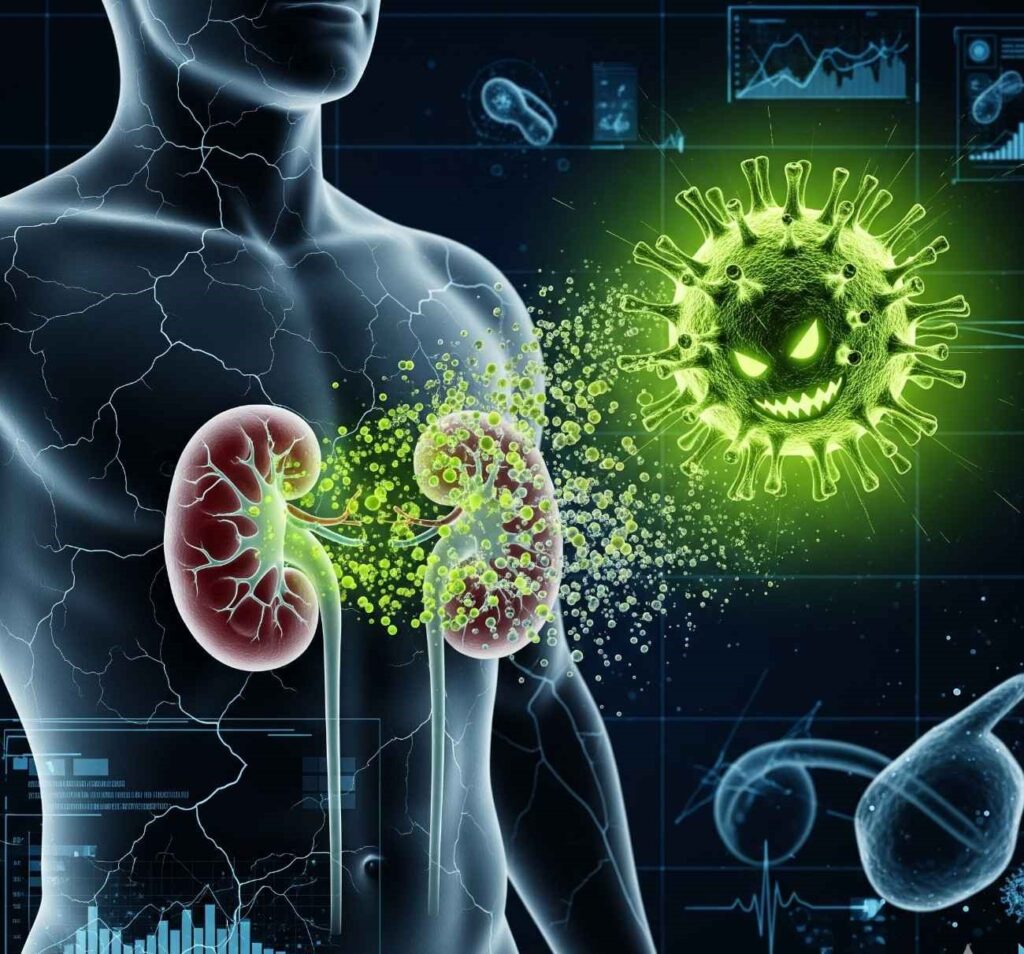
New medical evidence is shedding light on one of the most alarming long-term consequences of the COVID-19 pandemic: the impact of Long COVID on kidney health. Researchers across multiple countries have confirmed that people recovering from the virus face a significantly higher risk of kidney complications, including chronic kidney disease (CKD), reduced kidney function, and in severe cases, kidney failure requiring dialysis.
This finding underscores the evolving nature of Long COVID, which is increasingly recognized not only as a respiratory condition but as a multi-organ syndrome with lasting health effects.
The Research Findings
Recent studies tracking thousands of post-COVID patients reveal troubling statistics. Individuals who had COVID-19 — even mild or moderate cases — are showing:
- A 35% higher risk of developing kidney function decline compared to those never infected.
- A sharp rise in acute kidney injury cases during the months following infection.
- Evidence that both hospitalized and non-hospitalized patients face kidney complications, although the risk is highest among those admitted to intensive care units.
Doctors emphasize that patients with pre-existing conditions like diabetes, hypertension, and heart disease are particularly vulnerable. However, even healthy individuals without prior kidney issues are showing abnormalities in lab tests months after recovery.
Why the Kidneys Are at Risk
Scientists believe several factors may be contributing to kidney damage in Long COVID patients:
- Direct viral attack — The SARS-CoV-2 virus is capable of infecting kidney cells directly, causing inflammation and scarring.
- Immune system overreaction — A hyperactive immune response during infection can lead to long-term damage to blood vessels that supply the kidneys.
- Blood clotting disorders — COVID-19 has been linked to abnormal clotting, which can restrict blood flow to vital organs, including the kidneys.
- Medication side effects — Drugs used during severe COVID-19 treatment may also contribute to kidney strain.
The combined impact leaves patients at risk of silent but progressive kidney deterioration.
A Multi-Organ Threat
For much of the pandemic, COVID-19 was thought of primarily as a respiratory illness. However, Long COVID is now understood to affect nearly every major organ system. In addition to the kidneys, long-term complications have been documented in the heart, lungs, brain, and liver.
This multi-organ damage has far-reaching implications for global healthcare systems, as millions of recovered patients may require long-term monitoring, dialysis support, or even organ transplants.
Global Health Experts Respond
Health authorities worldwide are calling for urgent action:
- Routine Kidney Screening: Doctors recommend that COVID-19 survivors undergo regular kidney function tests — including blood and urine analysis — even if they appear healthy.
- Public Awareness Campaigns: Many patients are unaware that fatigue, swelling, or changes in urination could signal kidney problems.
- Increased Healthcare Resources: Countries with already strained dialysis and transplant systems may face overwhelming demand if Long COVID kidney damage is not addressed early.
The World Health Organization (WHO) has highlighted kidney health as an emerging priority in Long COVID research, urging governments to allocate funding for studies, diagnostic tools, and treatment programs.
The Human Toll
Behind the statistics are countless personal stories. Patients recovering from mild COVID-19 have reported unexpected kidney issues months later, leading to lifestyle changes, daily medication, and in some cases, dialysis treatment. Many describe the experience as a “second illness” that arrived long after they thought they had fully recovered.
For frontline doctors, the rising cases are a stark reminder that the pandemic’s legacy is far from over.
Looking Ahead
Researchers are now exploring potential therapies to protect the kidneys from Long COVID damage, including anti-inflammatory drugs, blood pressure medications, and specialized dialysis approaches. However, prevention through vaccination and early detection remains the strongest defense.
Experts warn that without decisive global action, the hidden kidney crisis could evolve into one of the most significant post-pandemic health challenges of the next decade.
In Summary:
The discovery that Long COVID significantly increases the risk of kidney damage is a wake-up call for global healthcare. What was once seen as a respiratory illness is now confirmed to be a complex, multi-organ disease with lasting consequences. Protecting kidney health must become a priority for governments, hospitals, and individuals worldwide if we are to limit the long-term burden of this evolving pandemic.