


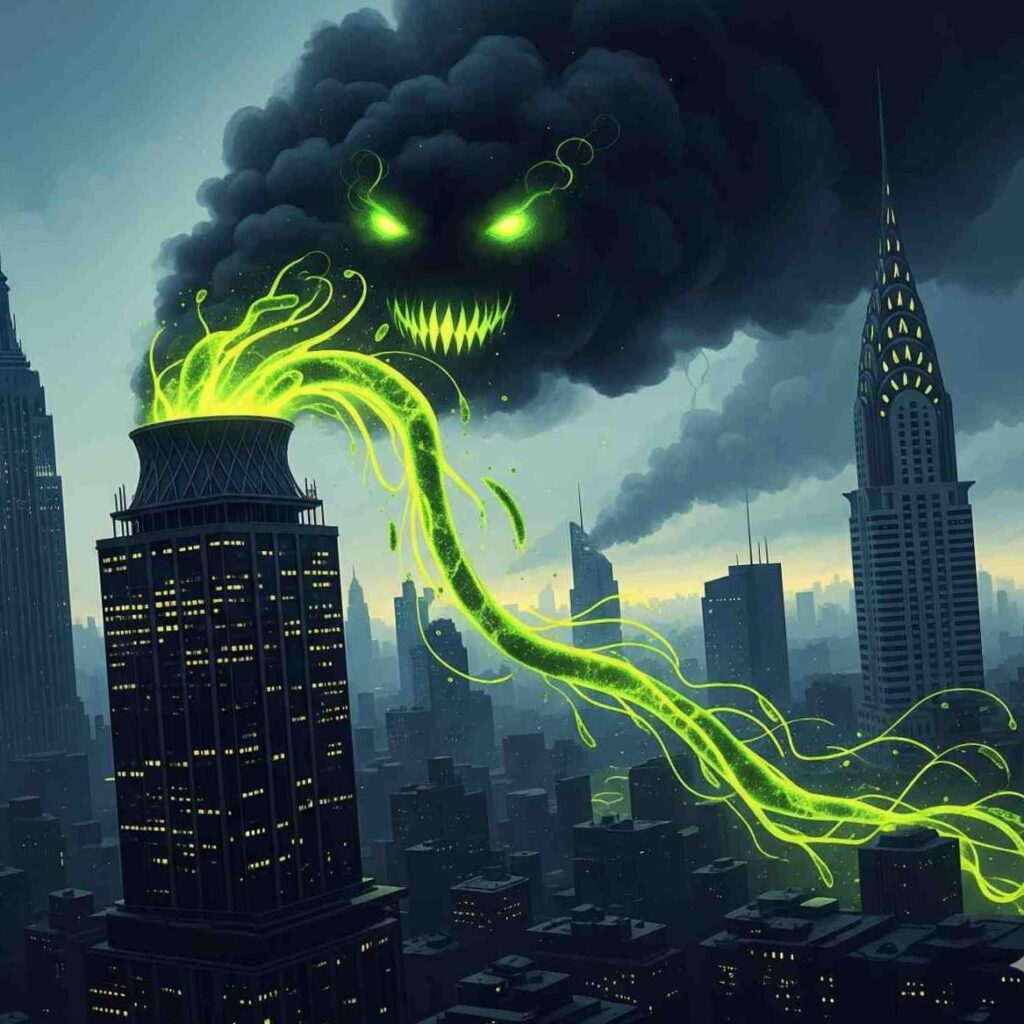
New York City, September 12, 2025 — Global Health Update
A sudden outbreak of Legionnaires’ disease has struck New York City’s Central Harlem neighborhood, leaving multiple people dead and dozens more hospitalized. City health authorities are working around the clock to contain the crisis, which has once again drawn attention to the dangers posed by contaminated cooling towers and the urgent need for preventive public health measures.
What Is Legionnaires’ Disease?
Legionnaires’ disease is a severe form of pneumonia caused by the Legionella bacteria. It thrives in water systems such as cooling towers, air conditioning units, hot tubs, and plumbing systems. Infection occurs when people inhale tiny water droplets containing the bacteria.
The illness can cause cough, high fever, chills, muscle aches, chest pain, and shortness of breath. If not treated promptly with antibiotics, it can progress to life-threatening complications.
While healthy individuals may recover, the disease poses a serious risk to older adults, smokers, and people with weakened immune systems — including those with chronic illnesses like diabetes, kidney disease, or cancer.
The Current Situation in Central Harlem
Health officials confirmed that the outbreak has been traced to contaminated cooling towers in multiple buildings within the Central Harlem area. Investigations revealed that maintenance lapses allowed Legionella bacteria to multiply to dangerous levels.
- Casualties: Several deaths have been reported, though the exact toll continues to rise as investigations expand.
- Hospitalizations: Dozens of patients are being treated in city hospitals, with some requiring intensive care.
- Community at risk: Authorities warn that hundreds of people may have been exposed in recent weeks.
Emergency teams have begun disinfecting cooling towers and issuing public health alerts. Residents experiencing flu-like symptoms have been urged to seek medical attention immediately, especially if symptoms worsen into severe pneumonia-like illness.
Why This Outbreak Matters
This is not the first time New York has faced a Legionnaires’ outbreak. However, the recurrence highlights systemic issues in building maintenance and water safety. Experts point out that cooling towers in densely populated areas can spread the bacteria widely, exposing thousands of residents and commuters.
Public health specialists warn that urban areas with aging infrastructure and high-rise buildings are particularly vulnerable to such outbreaks. The crisis also highlights broader concerns about climate change, as warmer temperatures and higher humidity create more favorable conditions for bacteria growth.
Global Perspective: A Growing Concern Worldwide
Legionnaires’ disease is not unique to New York. In recent years, outbreaks have been reported in Europe, Asia, and Australia. For example:
- A large outbreak in Spain last year hospitalized hundreds.
- Japan has documented clusters linked to hot springs and spas.
- Italy and France have reported recurring incidents tied to poorly maintained cooling systems.
The World Health Organization (WHO) has repeatedly called Legionnaires’ disease a “silent threat” in modern cities, stressing that stricter water system monitoring is essential to prevent outbreaks.
Public Health Response in New York
City officials have deployed emergency inspection teams to test water systems across Harlem and surrounding boroughs. Key measures include:
- Immediate Disinfection: Cooling towers in affected zones are being treated with chlorine-based solutions.
- Mandatory Testing: Building owners citywide are being instructed to test water systems for Legionella bacteria.
- Community Alerts: Residents have been informed about symptoms and advised to seek treatment quickly if ill.
- Medical Readiness: Hospitals have been placed on high alert to identify and treat cases swiftly.
Authorities emphasize that early treatment saves lives. When diagnosed early, antibiotics are highly effective against the disease.
Voices from the Community
Local residents in Harlem expressed shock and concern. Many were unaware of Legionnaires’ disease until the outbreak hit the news. “We always thought cooling towers were harmless,” one resident said, “but now we’re scared to even walk past them.”
Healthcare workers have described the outbreak as “a wake-up call”, urging both government and private property owners to take maintenance seriously.
Looking Ahead
The outbreak raises difficult but necessary questions: Are building maintenance regulations strict enough? Are regular inspections being carried out properly? Should penalties be tougher for non-compliance?
Experts suggest that long-term solutions must include:
- Stricter citywide legislation on cooling tower maintenance.
- Advanced monitoring technology for real-time bacteria detection.
- Greater public awareness about environmental health risks.
If lessons are learned, this outbreak could lead to stronger preventive measures that protect millions of urban residents worldwide.
Conclusion
The Central Harlem Legionnaires’ outbreak is more than a local health scare — it is a reminder of the hidden dangers in modern city infrastructure. As New York mobilizes to contain the spread, other cities around the globe are closely watching, aware that they too could face similar risks.
Legionnaires’ disease may be preventable, but only if vigilance, regulation, and science work hand in hand to stay ahead of the threat. For now, the focus remains on Harlem — where residents hope swift action will stop this outbreak before it grows further.