


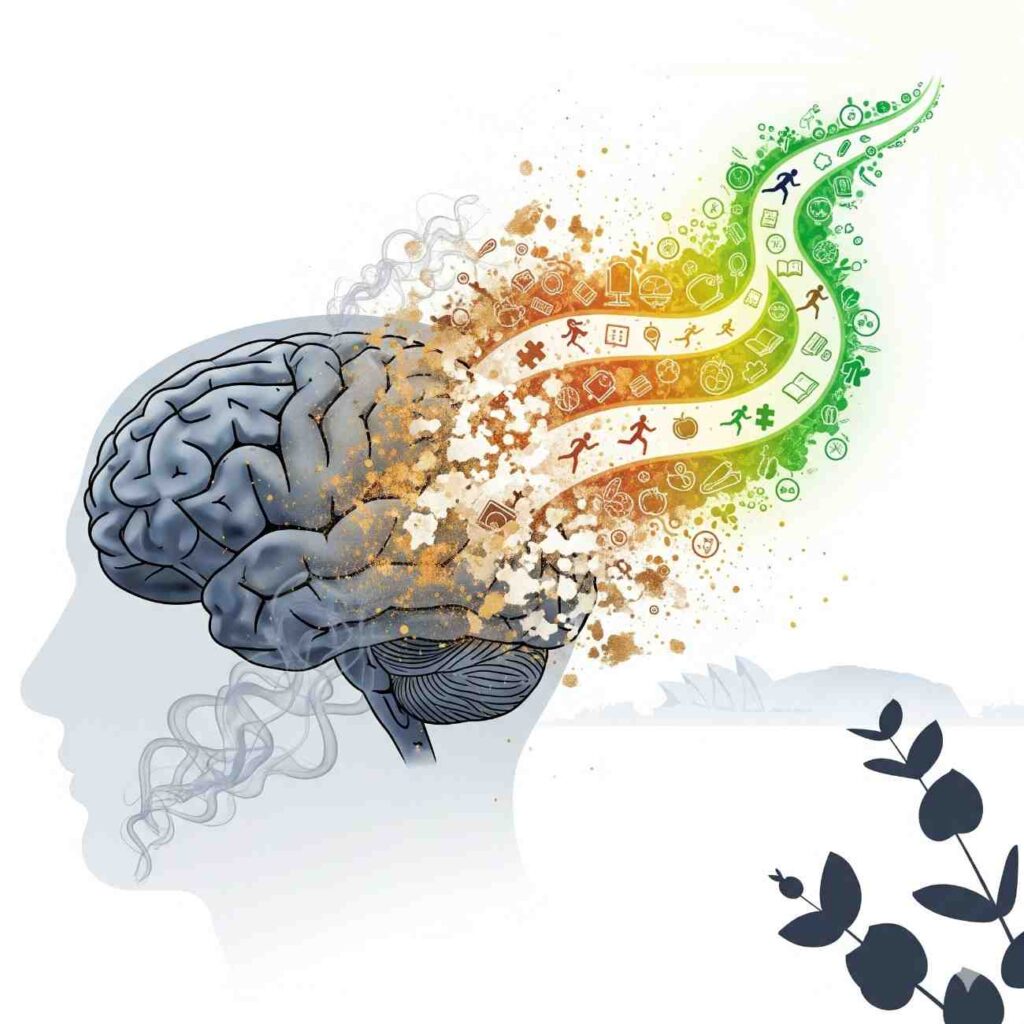
Sydney, September 2025 — Australia is facing a major shift in its public health landscape as dementia has officially surpassed heart disease to become the nation’s leading cause of death. The milestone highlights the growing impact of age-related neurological conditions on society and the urgent need for stronger prevention, early detection, and long-term care strategies.
A Landmark Shift in National Health
For decades, heart disease held the grim position as the top cause of mortality in Australia. However, the most recent data confirms that dementia-related deaths have now outnumbered those from coronary heart conditions.
Currently, more than 430,000 Australians are living with dementia, and this number is expected to double by 2050 as the population continues to age. The rising prevalence is placing unprecedented pressure on families, caregivers, and the national healthcare system.
Understanding Dementia
Dementia is not a single disease but a group of conditions that impair brain function, memory, behavior, and daily living abilities. The most common form is Alzheimer’s disease, followed by vascular dementia, Lewy body dementia, and frontotemporal dementia.
Symptoms often start with mild memory loss and confusion but can progress to severe cognitive decline, inability to recognize loved ones, difficulty communicating, and complete dependence on caregivers.
Why Dementia Is Rising
Several factors are driving the increase in dementia-related deaths:
- Ageing Population: With Australians living longer, more people are reaching ages where dementia risk is highest.
- Better Heart Disease Prevention: Advances in cardiac medicine, lifestyle awareness, and treatment have reduced deaths from heart disease, indirectly raising the proportion of deaths from dementia.
- Low Awareness in Early Stages: Many people delay seeking help when early memory issues appear, leading to late diagnoses and limited treatment options.
The Human and Economic Burden
The impact of dementia extends far beyond patients. Families often face emotional, physical, and financial strain as they provide round-the-clock care. Carers Australia estimates that unpaid family caregivers contribute billions of dollars in support each year, often at the cost of their own health and employment.
On a national scale, dementia is projected to become one of the most expensive health conditions in terms of long-term care, hospital admissions, and community services.
Prevention and Hope for the Future
Although there is currently no cure for dementia, experts emphasize that lifestyle choices can reduce risk. Regular physical activity, mental stimulation, a healthy diet, social engagement, and management of conditions like diabetes and high blood pressure are all linked to better brain health.
Early detection is also vital. Advances in medical research are improving diagnostic tools, allowing doctors to identify dementia at earlier stages where treatments and lifestyle changes may slow progression.
Meanwhile, global research into new therapies — including drugs that target abnormal proteins in the brain — offers hope that future treatments could significantly alter the course of the disease.
Government and Community Response
Australia has already launched several national dementia strategies, focusing on awareness campaigns, funding for aged care services, and increased investment in medical research. However, advocacy groups stress that much more must be done, especially in rural areas where access to specialized care is limited.
There is also a growing call for dementia-friendly communities, where public spaces, workplaces, and services are designed to support those living with cognitive decline.
Looking Ahead
The rise of dementia as the leading cause of death marks a turning point in Australia’s public health priorities. It signals the need for a nationwide effort that combines medical innovation, caregiver support, and preventive health strategies.
As one health expert put it, dementia is no longer just a medical issue — it is a societal challenge that will shape the future of families, healthcare, and policy in Australia.