


Haryana, September 2025 – The state of Haryana is grappling with a sharp rise in dengue cases, with the official tally crossing 500 infections as of this week. The district of Rewari has emerged as the worst-affected region, reporting the highest concentration of cases and prompting health authorities to step up preventive and containment measures.
Alarming Rise in Numbers
Health department officials confirmed that dengue infections have surged in several districts across the state. While Gurgaon has recorded more than 50 confirmed cases, it is Rewari that has sounded the loudest alarm, with local hospitals witnessing a steady influx of patients showing classic dengue symptoms. The figures are expected to rise further as post-monsoon conditions create a fertile breeding ground for mosquitoes.
Symptoms and Patient Profile
Most patients admitted to hospitals have presented with high fever, severe body aches, rashes, nausea, headaches, and joint pain—the common warning signs of dengue. Doctors caution that if untreated, dengue can progress to more serious stages, leading to hemorrhagic fever and shock syndrome, both of which can be life-threatening. While many patients are being managed with supportive care, those with severe complications are being closely monitored in intensive care units.
Government and Medical Response
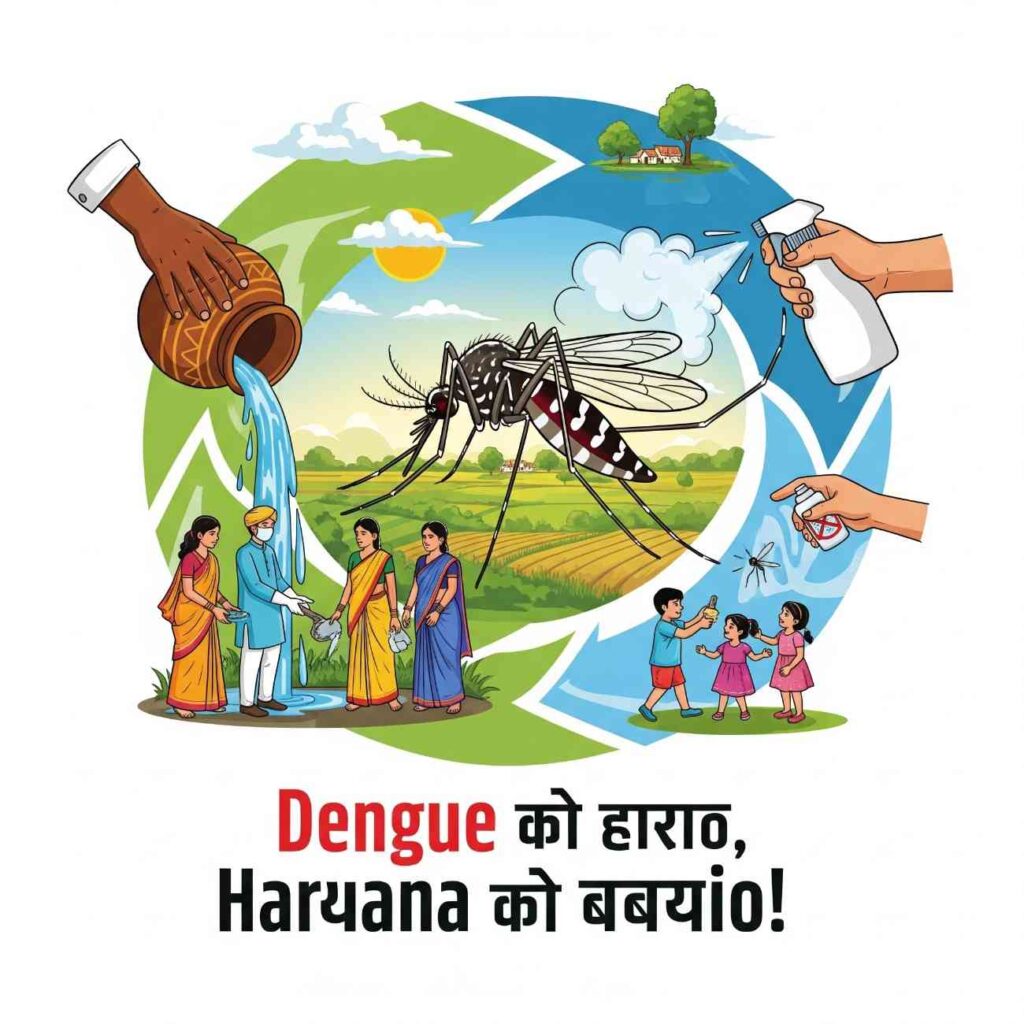
The Haryana Health Department has deployed rapid response teams in affected areas. Public health workers are conducting door-to-door awareness drives, checking for stagnant water, and urging residents to use mosquito nets and repellents. In Rewari, fumigation drives have been intensified, especially in residential colonies and near open drains where mosquito breeding is rampant.
Hospitals have been instructed to set up dedicated dengue wards, stock up on platelets, and ensure round-the-clock availability of diagnostic testing facilities. Health officials are also coordinating with municipal bodies to strengthen sanitation measures and eliminate mosquito breeding grounds.
Community Awareness Campaigns
Authorities emphasize that public cooperation is critical in tackling the outbreak. Citizens have been advised to cover water storage containers, regularly change the water in coolers, and avoid leaving stagnant water in their homes or surroundings. Schools and workplaces have also been asked to hold awareness sessions to educate people on preventive measures.
Expert Warnings
Medical experts warn that if immediate steps are not taken, the number of dengue cases could rise significantly over the next few weeks. They highlight that climate change and erratic rainfall patterns have worsened mosquito breeding cycles, making outbreaks more frequent and harder to control.
The Road Ahead
With the dengue season expected to last through October, Haryana faces an urgent public health challenge. While the government is mobilizing resources, the effectiveness of containment will depend largely on public participation, timely reporting of cases, and preventive action at the household level.
For now, Rewari remains under close watch, and the state’s healthcare system is bracing for a continued surge in cases. Health authorities stress that vigilance, early detection, and strict preventive measures are the only ways to curb the outbreak and prevent it from spiraling further.