Great Health Great Fitness

Surge in Non-Surgical Aesthetic Treatments Raises Skin Health Concerns, Experts Warn
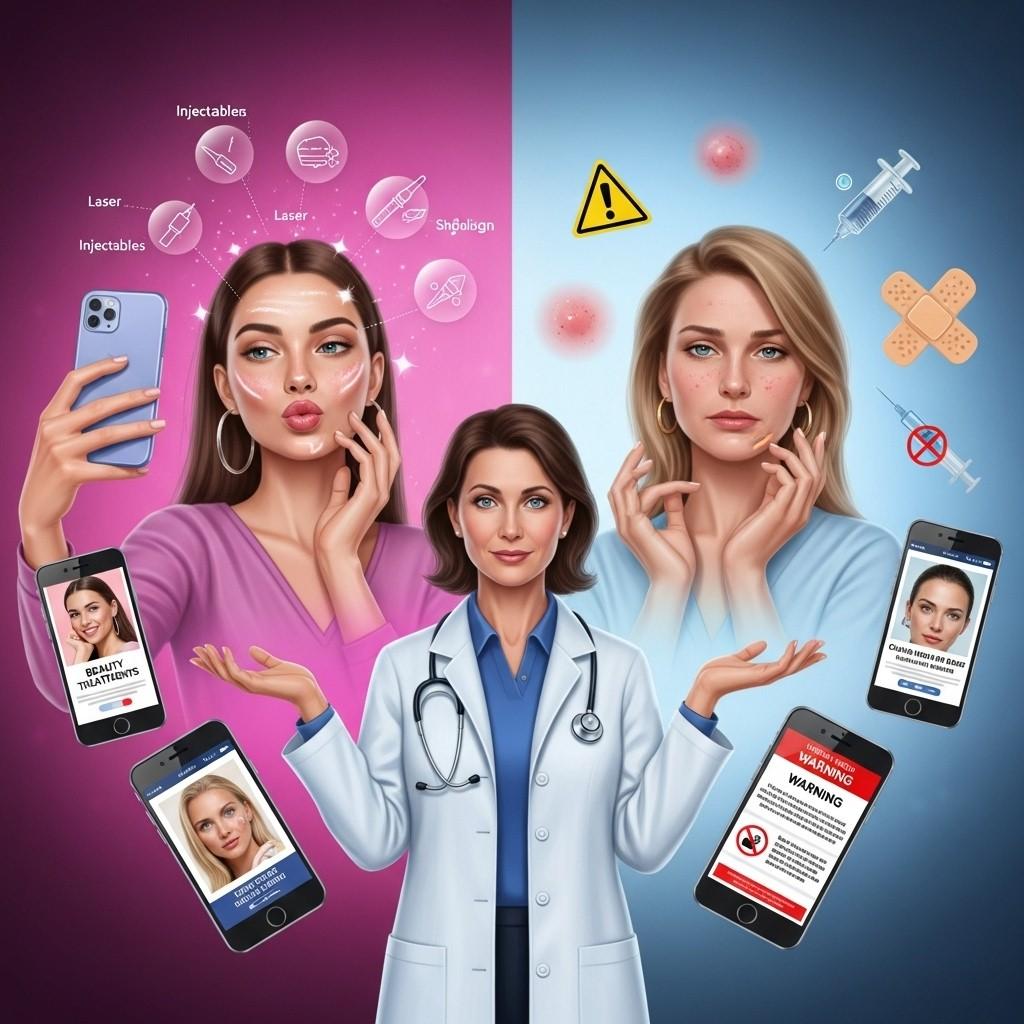
September 10, 2025 – York, UK – The booming popularity of non-surgical cosmetic treatments such as Botox, dermal fillers, and skin rejuvenation procedures has sparked fresh concerns among dermatologists and health professionals. According to the York Skin Clinic, while these treatments are widely marketed as safe, quick, and effective, the surge in demand is bringing with it new risks for both skin health and public perception of beauty.
A Rapidly Growing Industry
The global aesthetic industry has experienced explosive growth in the past decade. Social media platforms, celebrity endorsements, and influencers showcasing “perfect” faces have fueled a dramatic rise in people—particularly younger generations—seeking minimally invasive cosmetic procedures. Botox injections, lip fillers, and non-surgical facelifts are now considered mainstream beauty practices.
A recent market report estimates that the global non-surgical aesthetics market could surpass $25 billion by 2030, with year-on-year growth driven largely by millennials and Gen Z consumers.
The Health Risks Behind the Glamour
Despite being advertised as low-risk, experts caution that these treatments are not without complications. Improperly administered injections can cause:
- Skin infections and prolonged swelling.
- Vascular blockages leading to tissue damage.
- Allergic reactions and scarring.
- Unnatural results that may alter facial structure long-term.
The York Skin Clinic warns that an increasing number of patients are seeking corrective procedures after undergoing treatments performed at unlicensed salons or by underqualified practitioners.
Dr. Sarah Mitchell, a consultant dermatologist at the clinic, explained:
“We are seeing more young patients with serious complications from fillers and Botox done in unsafe environments. What is concerning is not just the physical harm but also the psychological toll when expectations don’t match results.”
The Social Pressure of “Perfect Skin”
Beyond medical risks, the clinic emphasized the mental health implications of the aesthetic boom. Constant exposure to digitally altered images and beauty trends has intensified pressure on individuals—especially teenagers and young adults—to pursue unrealistic beauty standards.
A recent survey of UK women aged 18–35 found that nearly 60% felt compelled to undergo aesthetic treatments to remain “socially attractive,” while 40% admitted to experiencing lower self-esteem after scrolling through filtered images online.
Experts fear that this trend is fostering body dysmorphic disorder (BDD) and other mental health struggles, turning cosmetic enhancements into more than just a personal choice—it’s becoming a societal expectation.
Calls for Stricter Regulation
Currently, regulations surrounding non-surgical aesthetic treatments in the UK and many countries remain limited. Unlike plastic surgery, many of these procedures can legally be performed by practitioners without formal medical training.
The York Skin Clinic has joined other medical organizations in calling for:
- Mandatory licensing for all providers of injectable treatments.
- Clearer safety guidelines and aftercare protocols.
- Public education campaigns highlighting both the risks and realistic outcomes of cosmetic treatments.
Balancing Beauty and Health
While experts acknowledge that aesthetic treatments can have positive effects—boosting confidence and helping individuals feel more comfortable in their skin—they stress the importance of moderation, informed consent, and choosing qualified professionals.
Dr. Mitchell concluded:
“There’s nothing wrong with wanting to look your best, but health should always come first. Aesthetic treatments must not replace good skincare, balanced diets, and self-acceptance. True beauty lies in maintaining both physical and mental well-being.”
The Bigger Picture
As the conversation around beauty evolves, the York Skin Clinic hopes that its warning will encourage both regulators and consumers to adopt a healthier, more realistic approach to skin and body care.
In a world increasingly obsessed with perfection, the challenge remains: how do we celebrate aesthetics without compromising health?