Great Health Great Fitness

New Study Exposes Urgent Threat of Chikungunya Among Children, Calls for Tailored Health Measures
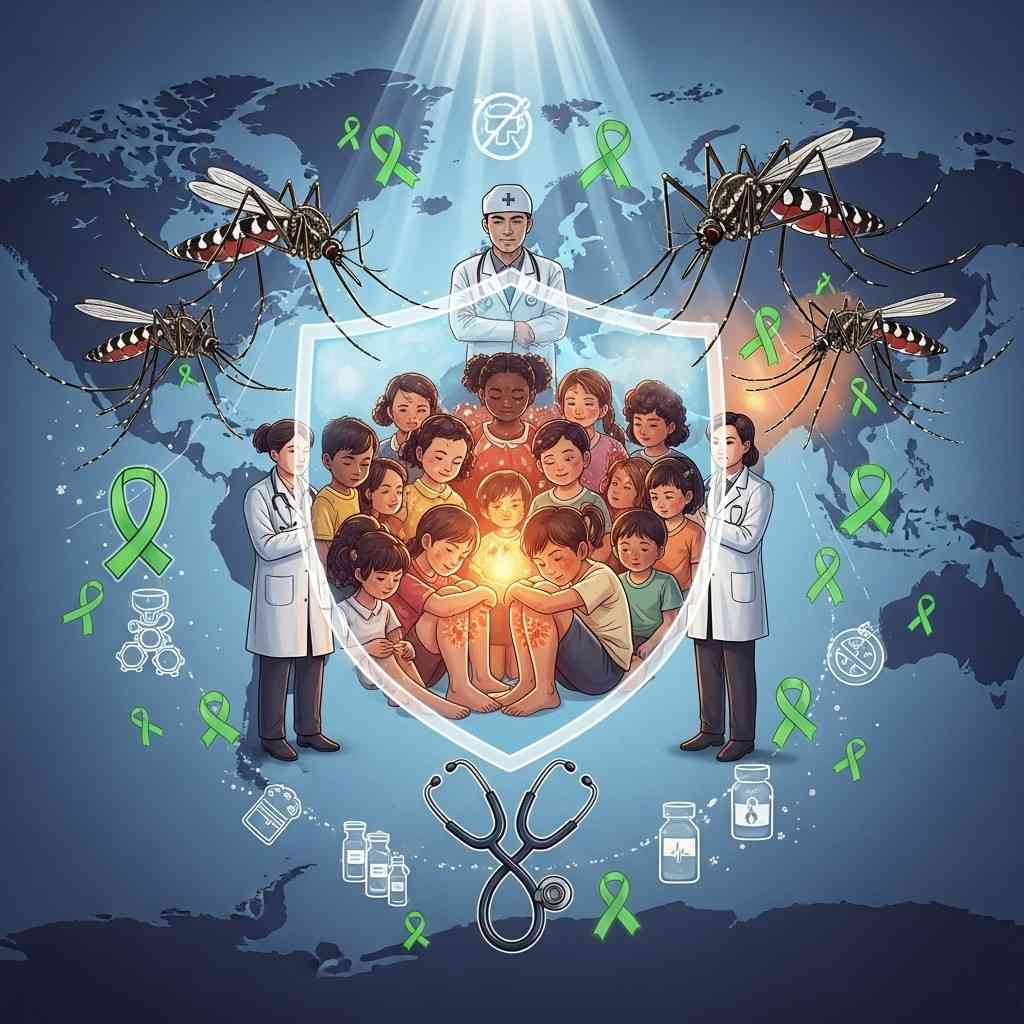
September 10, 2025 – A newly published pediatric investigation has revealed alarming insights into the impact of chikungunya virus infections in children, urging global health authorities to prioritize this neglected population in disease control strategies. The study sheds light on how chikungunya—often perceived as a disease affecting mostly adults—has been silently taking a heavier toll on children than previously acknowledged.
Chikungunya in Children: A Hidden Crisis
Chikungunya, a mosquito-borne viral disease transmitted by Aedes aegypti and Aedes albopictus, is best known for causing fever and severe joint pain. While much of the medical community’s focus has historically been on adult cases, the new findings reveal that children face unique and severe risks, including prolonged illness, neurological complications, and higher hospitalization rates.
Dr. Anita Verma, a pediatric infectious disease specialist involved in the study, explained:
“Children are not just smaller adults. Their immune systems respond differently, and the complications of chikungunya in younger patients can be far more devastating if left untreated.”
Key Findings of the Study
- Severe Symptoms: Unlike adults, many infected children experience higher fever spikes, rashes, and long-term musculoskeletal pain that affects their growth and daily activities.
- Neurological Concerns: The study documented cases of encephalitis (inflammation of the brain) in pediatric patients, a complication often overlooked in standard chikungunya treatment protocols.
- Delayed Diagnosis: Because chikungunya symptoms in children often resemble those of dengue or viral flu, many young patients are misdiagnosed or treated late, worsening outcomes.
- Socioeconomic Impact: Families of infected children face steep medical bills, extended school absences, and long-term care burdens, making the disease not only a medical crisis but also a social and economic one.
Global Hotspots and Seasonal Risks
Chikungunya outbreaks have been reported in India, Southeast Asia, Africa, and parts of South America. Seasonal surges, especially during the monsoon months when mosquito breeding peaks, have led to an increased number of pediatric cases. Experts warn that climate change, urban crowding, and poor vector control measures are fueling the resurgence of chikungunya worldwide.
Why Children Need Special Attention
Public health experts argue that most current control strategies are adult-centric, overlooking the pediatric burden. Vaccines for chikungunya are still under development, and there is no specific antiviral treatment. As a result, children remain dependent on symptomatic relief and supportive care, which can be insufficient in severe cases.
Dr. Verma added:
“Children represent a vulnerable group. We need dedicated guidelines, pediatric-focused awareness campaigns, and stronger hospital preparedness to manage chikungunya in this age group.”
The Way Forward
The study calls for immediate policy-level action, including:
- Pediatric Screening Programs in outbreak-prone regions.
- Enhanced Training for doctors and nurses to identify chikungunya symptoms in children.
- Community Awareness Campaigns targeting parents and caregivers.
- Accelerated Vaccine Research, with specific trials involving children.
A Wake-Up Call for Policymakers
Chikungunya has long been overshadowed by dengue and malaria in global health priorities. But with mounting pediatric evidence, experts insist it can no longer be ignored. The latest research is expected to influence government agencies and the World Health Organization (WHO) to integrate pediatric chikungunya management into broader public health programs.
As the report concludes:
“Children are not merely victims of chikungunya—they are the face of a growing crisis. Ignoring their vulnerability risks creating a generation burdened by long-term health challenges. Policymakers must act now.”