


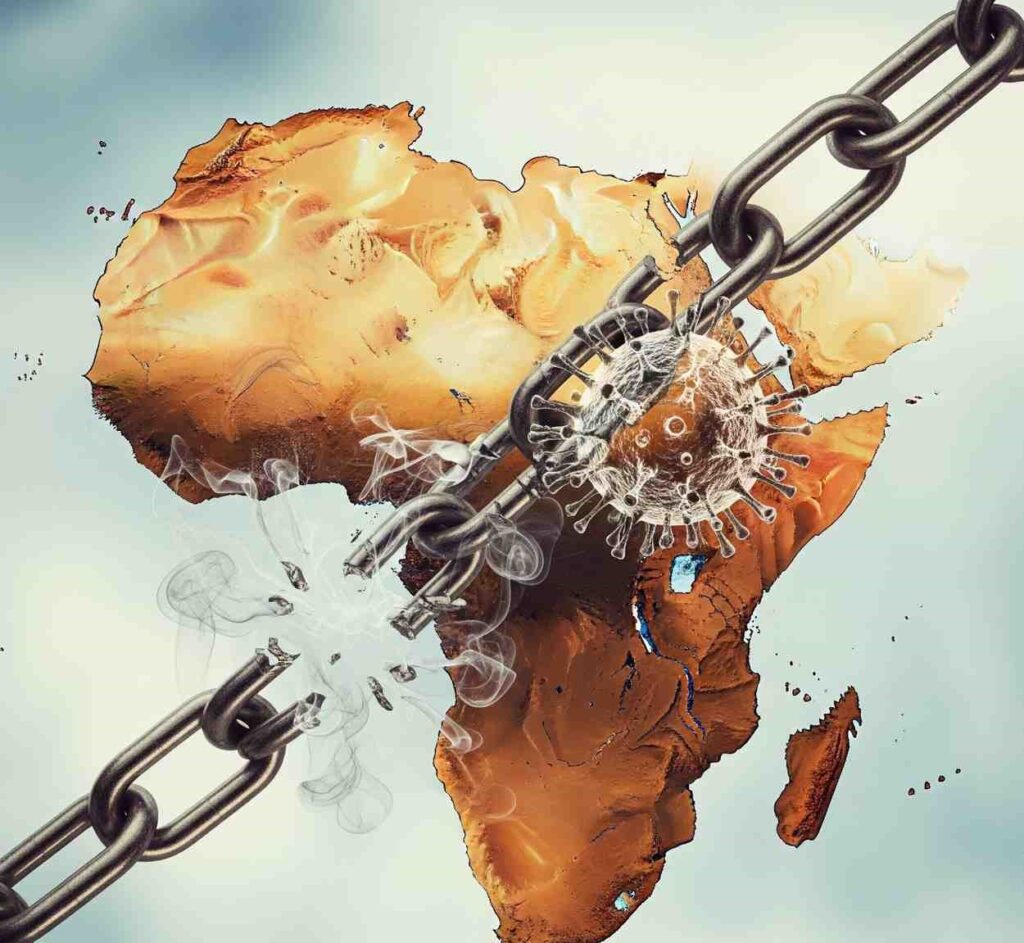
Geneva, September 2025 — In a historic announcement, the World Health Organization (WHO) has declared that the global outbreak of mpox is no longer a Public Health Emergency of International Concern (PHEIC). The decision follows a steady decline in new infections across Africa and beyond, marking a turning point in the fight against the disease. However, health experts caution that the virus continues to pose serious risks, particularly in vulnerable regions, and the world must remain on high alert.
From Emergency to Transition
The WHO first elevated mpox to emergency status in 2024, when an aggressive new strain began spreading rapidly in Central Africa. For over a year, health systems across multiple countries were stretched to their limits as infections soared and the disease spread internationally.
Now, after months of declining cases, improved diagnostics, and expanded vaccination campaigns, the organization’s independent emergency committee has advised lifting the global alert. The decision reflects both scientific progress and coordinated global response efforts.
But the move does not mean the virus has been eradicated. Instead, it signals a transition from crisis management to long-term control and prevention.
The Director-General’s Message
Speaking at the announcement, WHO Director-General Dr. Tedros Adhanom Ghebreyesus emphasized that lifting the emergency status does not mean the threat has disappeared.
“We have made tremendous progress, but mpox is still circulating, and it continues to endanger lives, especially in Africa. Ending the global emergency is not the end of our response—it is the beginning of a new phase.”
His remarks underscored the delicate balance between celebrating progress and avoiding complacency.
Progress on Several Fronts
The fight against mpox has delivered several notable achievements:
- Vaccine Rollout: Millions of doses have been distributed worldwide, with frontline health workers and high-risk populations prioritized. This has helped curb outbreaks in urban centers and reduce severe disease.
- Improved Diagnostics: Testing capacity has expanded significantly, allowing earlier detection and faster isolation of cases. This has been crucial in breaking chains of transmission.
- Public Awareness: Education campaigns have reduced stigma, encouraged individuals to seek medical attention quickly, and promoted safer practices in communities most affected.
- Falling Mortality Rates: The fatality rate in several African countries has dropped from over 3% at the height of the crisis to near 1% today—a sign of improved treatment access and medical preparedness.
Ongoing Concerns
Despite these successes, experts warn against declaring victory too soon. Several key challenges remain:
- Uneven Access: Many rural and resource-limited regions still struggle with limited access to vaccines, diagnostic labs, and healthcare facilities.
- Funding Gaps: With global attention shifting to other crises, health agencies fear declining financial support could weaken surveillance and containment efforts.
- Vulnerable Populations: Children, pregnant women, and people with weakened immune systems—particularly those living with HIV—remain at greater risk of severe illness.
- Potential Resurgence: Infectious disease experts caution that relaxing too quickly could allow the virus to return in waves, particularly in areas where surveillance is weak.
A Call for Sustained Action
The WHO has urged all countries, especially those in Africa, to continue treating mpox as a serious public health threat. National governments are being encouraged to:
- Maintain strong disease surveillance systems
- Expand vaccination coverage in high-risk populations
- Invest in community-level health education
- Support research and innovation for improved treatments and long-term prevention strategies
Public health leaders insist that the lesson from mpox must be clear: outbreaks can be controlled, but only if the momentum is sustained.
Looking Ahead
The end of mpox’s global emergency status is a moment of relief for millions who have lived under its shadow. It is also a testament to international cooperation, scientific advances, and community resilience.
Yet, the story of mpox is far from over. The disease remains active, the virus continues to evolve, and vulnerable populations are still at risk. For health authorities, this is not the time to relax, but rather the time to reinforce systems, build stronger defenses, and ensure the world is better prepared for whatever comes next.
As one global health expert put it:
“We have taken a step forward, but the fight continues. The end of the emergency is not the end of the disease.”