


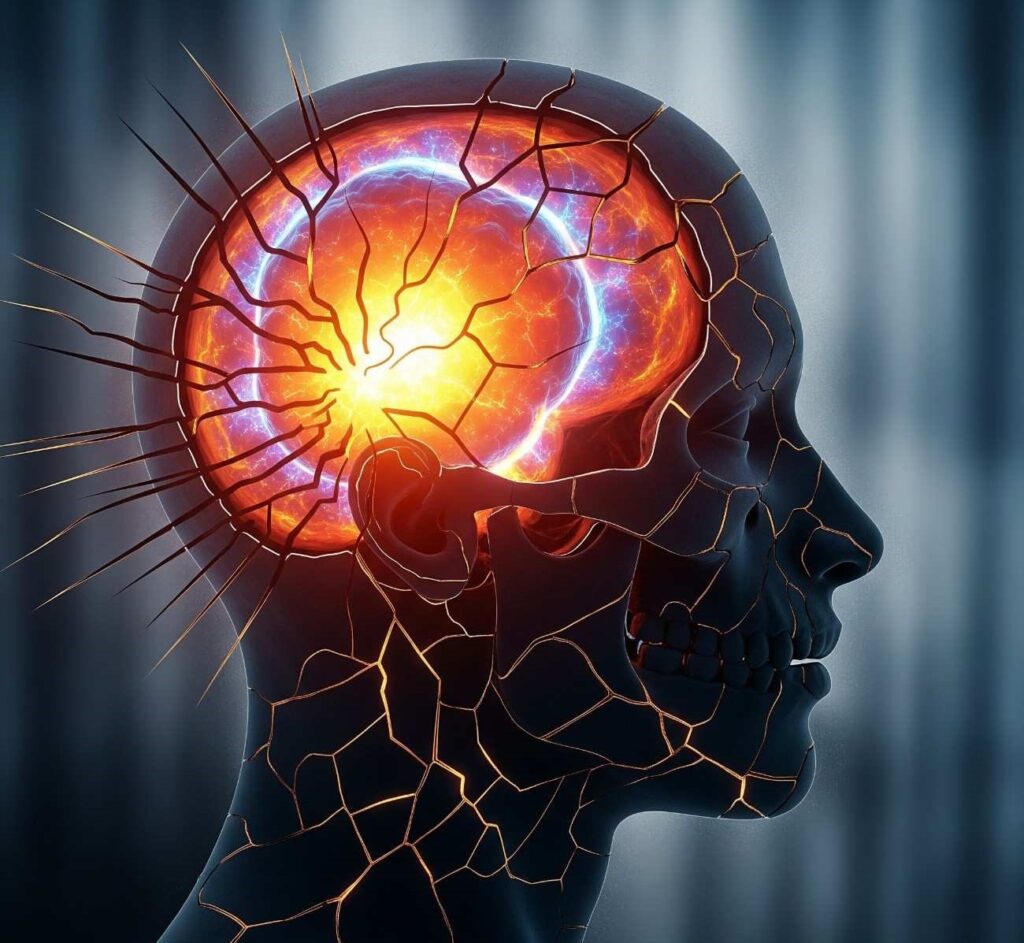
In a striking revelation that could reshape how head injuries are viewed worldwide, researchers have found compelling evidence that moderate-to-severe traumatic brain injuries (TBI) may significantly increase the risk of developing brain tumors later in life.
The findings highlight an often-overlooked long-term consequence of head trauma, sparking urgent discussions in the global medical community about patient care, prevention strategies, and long-term monitoring of individuals with serious head injuries.
A Closer Look at the Link
The research team, comprising neuroscientists and oncologists, meticulously analyzed health records of thousands of patients who suffered traumatic brain injuries ranging from car accidents and workplace falls to sports-related head impacts. Their data revealed a clear pattern:
- Individuals with moderate to severe TBIs faced a significantly higher likelihood of developing brain tumors than those without head trauma.
- The tumors often appeared several years or even decades after the initial injury, indicating a delayed but persistent risk.
- The study suggests that the biological changes triggered by brain injuries—such as chronic inflammation, cell damage, and altered brain chemistry—may create an environment where tumor growth is more likely.
Expert Reactions and Concerns
Leading neurologists have described the findings as a “wake-up call.”
- Dr. Anjali Mehra, Neurologist:
“For years, we have been treating TBIs with a short-term lens—managing symptoms and recovery in the weeks and months after injury. But this study tells us that the story doesn’t end there. The brain remembers the trauma, and in some cases, that memory may take the dangerous form of tumor growth.” - Dr. Ravi Sharma, Oncologist:
“This is a paradigm shift. We now must consider TBIs not just as immediate injuries but as potential precursors to chronic and life-threatening conditions. Early monitoring and advanced imaging might become necessary for high-risk patients.”
Why This Matters Globally
Traumatic brain injuries are already a major global health concern.
- The World Health Organization (WHO) estimates that 69 million people suffer TBIs every year, with road accidents, falls, and sports injuries being the leading causes.
- Many patients recover from the initial trauma, but if the risk of tumors is indeed higher, millions may unknowingly carry a hidden health burden.
This revelation is especially concerning for athletes, construction workers, soldiers, and accident survivors, who often suffer repeated or severe head injuries.
The Biological Puzzle
Scientists are now focusing on the biological mechanisms connecting TBIs and tumor development:
- Chronic inflammation: After a severe head injury, brain tissues can remain inflamed for years, creating conditions favorable for abnormal cell growth.
- DNA damage: Trauma may trigger genetic mutations that disrupt normal cell division.
- Weakened immunity: The body’s ability to detect and eliminate rogue cells may be compromised after trauma.
These factors collectively increase the likelihood that damaged brain cells might transform into cancerous growths over time.
Implications for the Future
If the link between TBIs and brain tumors continues to be supported by further research, the medical field may see significant changes:
- Long-term screening programs for individuals with moderate-to-severe TBIs.
- Policy changes in sports and workplaces to reduce risk of head trauma.
- Public awareness campaigns about the hidden dangers of untreated or repeated head injuries.
Governments and health organizations may need to allocate more resources to both prevention and early detection efforts.
A Call to Action
Experts emphasize that while not every person with a head injury will develop a brain tumor, the findings underscore the need for caution, awareness, and proactive healthcare.
“Prevention is key,” says Dr. Mehra. “Wearing helmets, following workplace safety protocols, and avoiding high-risk behaviors can go a long way. But for those who have already suffered TBIs, routine neurological check-ups and MRI scans may be life-saving.”
The Road Ahead
The research community is now calling for longitudinal studies spanning decades to confirm these findings and understand the true scale of risk. Meanwhile, hospitals and doctors are being urged to update treatment protocols to include long-term monitoring of patients with severe head injuries.
For survivors of traumatic brain injuries, this study provides both a warning and an opportunity: while the risks may be higher, early detection and awareness can make the difference between life and death.