Great Health Great Fitness

Groundbreaking Medical Milestone: Robot Performs Surgery Without Human Assistance
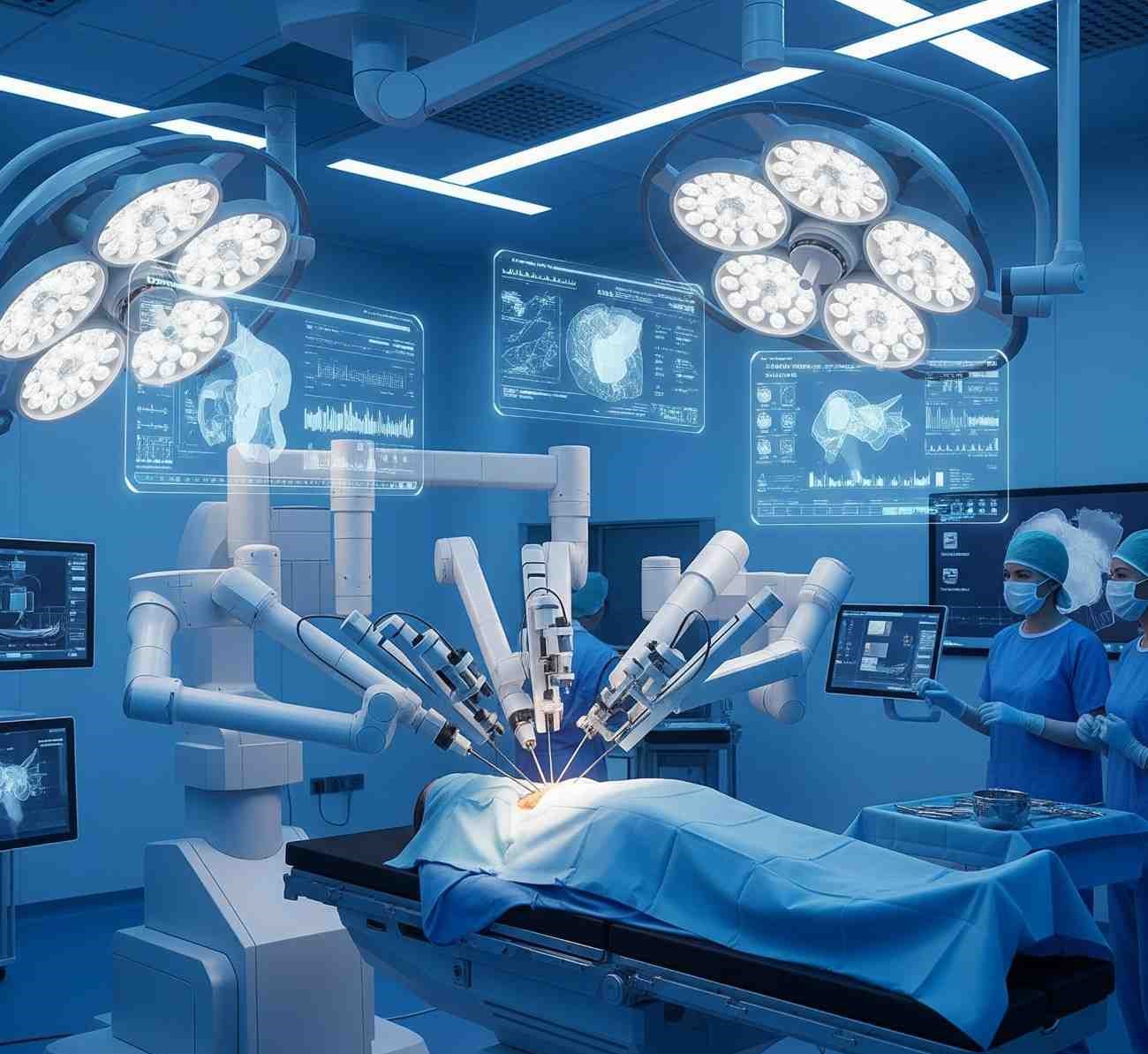
In a historic leap for medical technology, a fully autonomous robot has successfully performed surgery without any human intervention, signaling a transformative moment for the future of healthcare. The procedure demonstrates the potential for robots to carry out complex medical tasks with unprecedented precision, consistency, and efficiency, opening new frontiers in patient care and surgical innovation.
🏥 The Surgery: A First in Medical History
For the first time, surgeons have witnessed a robotic system completing an entire surgical procedure autonomously. Unlike traditional robotic-assisted surgeries, where humans control robotic instruments, this robot executed every step without human guidance, including incision, tissue manipulation, and suturing.
The surgery, performed under strict clinical oversight, was successful, with the patient recovering without complications. Medical experts emphasize that this achievement represents more than just technological advancement—it is a demonstration of robotics’ potential to improve surgical outcomes, reduce human error, and enhance patient safety.
🔬 How the Robot Works
The autonomous surgical robot utilizes a combination of artificial intelligence, advanced imaging, and robotic precision tools to perform intricate operations. Key features include:
- AI-powered decision-making: The robot analyzes real-time data, evaluates tissue properties, and adjusts its actions dynamically.
- High-precision instruments: Fine motor control allows it to perform delicate procedures beyond the capability of the human hand.
- 3D imaging and mapping: Continuous scanning of the surgical area ensures accuracy and minimizes damage to surrounding tissues.
- Predictive modeling: AI algorithms anticipate potential complications and adapt movements to prevent errors.
This integration of robotics and AI represents a paradigm shift in surgical practice, bridging the gap between human expertise and machine precision.
🩺 Implications for Patients and Healthcare
The advent of autonomous surgical robots carries several potential benefits for patients and healthcare systems:
- Increased precision: Reduced risk of human error during complex procedures.
- Shorter recovery times: Optimized surgical techniques can minimize tissue trauma.
- Expanded access: Remote-controlled and autonomous systems could allow patients in underserved areas to receive expert surgical care.
- Consistency in outcomes: Robots can perform repetitive procedures with uniform accuracy, reducing variability between surgeons.
While humans will continue to play a crucial role in surgery, robots may handle routine or highly precise procedures, freeing surgeons to focus on complex decision-making and patient care.
⚠️ Ethical and Regulatory Considerations
The deployment of autonomous surgical robots raises important ethical and regulatory questions:
- Patient consent: Ensuring patients understand the risks and benefits of robot-performed procedures.
- Liability: Determining accountability in case of complications or errors during fully autonomous surgery.
- Data security: Protecting sensitive patient information used by AI systems.
- Regulatory approval: Developing standards for safety, performance, and clinical validation.
Healthcare authorities are actively working to establish guidelines that balance innovation with patient safety, ensuring that technological advances are implemented responsibly.
🌍 Global Impact on Healthcare
Experts predict that autonomous surgical robots could revolutionize the global healthcare landscape. Hospitals may adopt robotic systems to address shortages of skilled surgeons, improve efficiency in high-volume procedures, and expand access to specialized surgical care in remote or under-resourced regions.
Medical educators are also considering how training will evolve, emphasizing the collaboration between human surgeons and AI-driven machines to achieve optimal outcomes.
💡 The Future of Surgery
This breakthrough is not just a technological achievement—it signals a new era in medicine. As AI algorithms become more sophisticated and robotic systems more advanced, autonomous surgery may become increasingly common, complementing human expertise and reshaping the way complex procedures are performed.
Experts foresee a future where:
- Robots handle highly precise tasks while humans oversee overall care.
- Remote surgeries allow patients in rural or underserved areas to access world-class care.
- Surgical outcomes improve globally due to the consistency and accuracy of autonomous systems.
🌟 Key Takeaways
- A fully autonomous robot has successfully performed surgery without human intervention.
- The procedure demonstrates AI-driven precision, reduced risk of error, and potential improvements in patient care.
- Ethical, regulatory, and liability considerations remain critical to widespread adoption.
- The future of surgery may involve collaboration between humans and robots, increasing accessibility and consistency in surgical outcomes.
This groundbreaking achievement marks the dawn of a new era in medicine, where human expertise and artificial intelligence work together to save lives, improve surgical outcomes, and redefine what is possible in healthcare.