Great Health Great Fitness
CDC Rings Alarm: Dangerous New RSV Strain Surfaces in the U.S., Experts Warn of Severe Impact on Children and Elderly
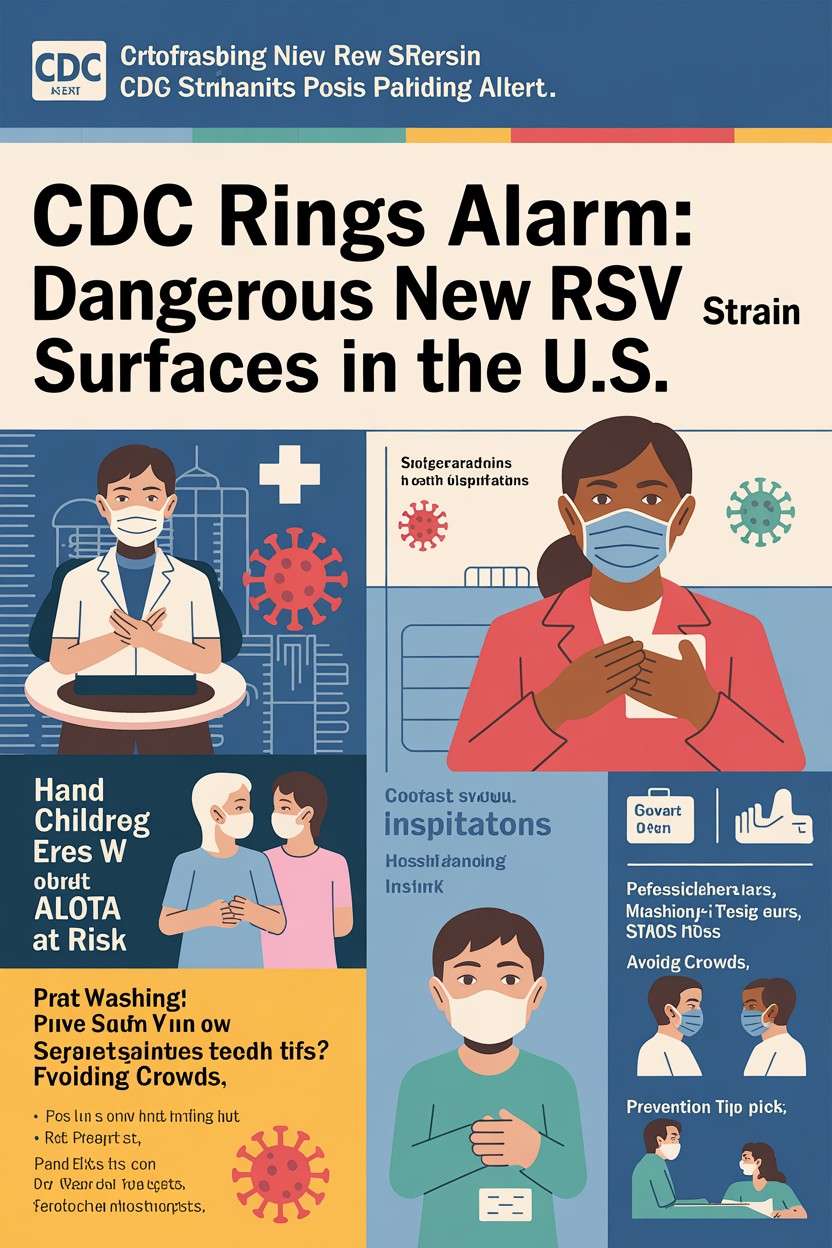
The Centers for Disease Control and Prevention (CDC) has issued an urgent public health alert regarding a new strain of Respiratory Syncytial Virus (RSV) that has emerged across several states in the United States. Health officials warn that this newly identified variant could lead to more severe respiratory illness, particularly in children, infants, and the elderly—two of the most vulnerable groups when it comes to respiratory infections.
Why This New RSV Strain Matters
Traditionally, RSV has been known as a seasonal virus that causes symptoms similar to a cold—runny nose, coughing, sneezing, and mild fever. However, the newly identified strain has raised serious concerns because of its ability to trigger faster disease progression and, in some cases, lead to serious complications such as pneumonia and bronchitis.
Doctors in hospitals across the U.S. have reported a noticeable spike in cases, with pediatric wards beginning to experience increased admissions. Unlike past outbreaks, this new RSV strain is not only spreading faster but also showing more aggressive symptoms in younger children. Parents are being urged to closely monitor their kids for breathing difficulties, wheezing, or high fever.
What Experts Are Saying
Dr. Anthony Scott, an infectious disease specialist, explained,
“We are seeing cases where infants are developing severe breathing problems much earlier than expected. This is a cause for concern because children under two years old are at the highest risk, and hospitalizations could increase dramatically if this continues.”
The CDC has already mobilized teams to track the genetic variations of the virus, while medical researchers are studying whether the new strain could resist current preventive measures or treatments.
Impact on Elderly and High-Risk Groups
The elderly, especially those with chronic conditions such as asthma, COPD, or weakened immune systems, are also at high risk. Hospitals in New York, Texas, and California have reported a rise in senior patients being admitted with severe RSV complications. Health officials are urging caregivers and family members to remain cautious, especially when visiting elderly relatives.
Preventive Steps You Can Take
While a complete RSV vaccine for all age groups is still under development, certain preventive steps can help minimize the risk:
- Practice Good Hygiene: Wash hands frequently and use sanitizers.
- Avoid Crowded Spaces: Especially during peak infection season.
- Protect Children: Keep infants away from people showing cold-like symptoms.
- Stay Alert for Symptoms: Seek immediate medical help if a child shows signs of labored breathing or dehydration.
The FDA recently approved RSV vaccines for older adults, but protection for infants remains limited. Some hospitals are using monoclonal antibody treatments for high-risk babies, but supply remains a challenge.
What’s Next?
Epidemiologists are working round the clock to determine how this new strain compares to traditional RSV outbreaks. If the trend continues, experts warn that the U.S. could face a dual health crisis this winter, with RSV cases surging alongside seasonal flu and potential COVID-19 resurgences.
The CDC has urged parents, schools, and healthcare providers to stay alert and informed. With the colder months approaching, awareness and early detection will play a critical role in controlling the impact of this newly emerging threat.