


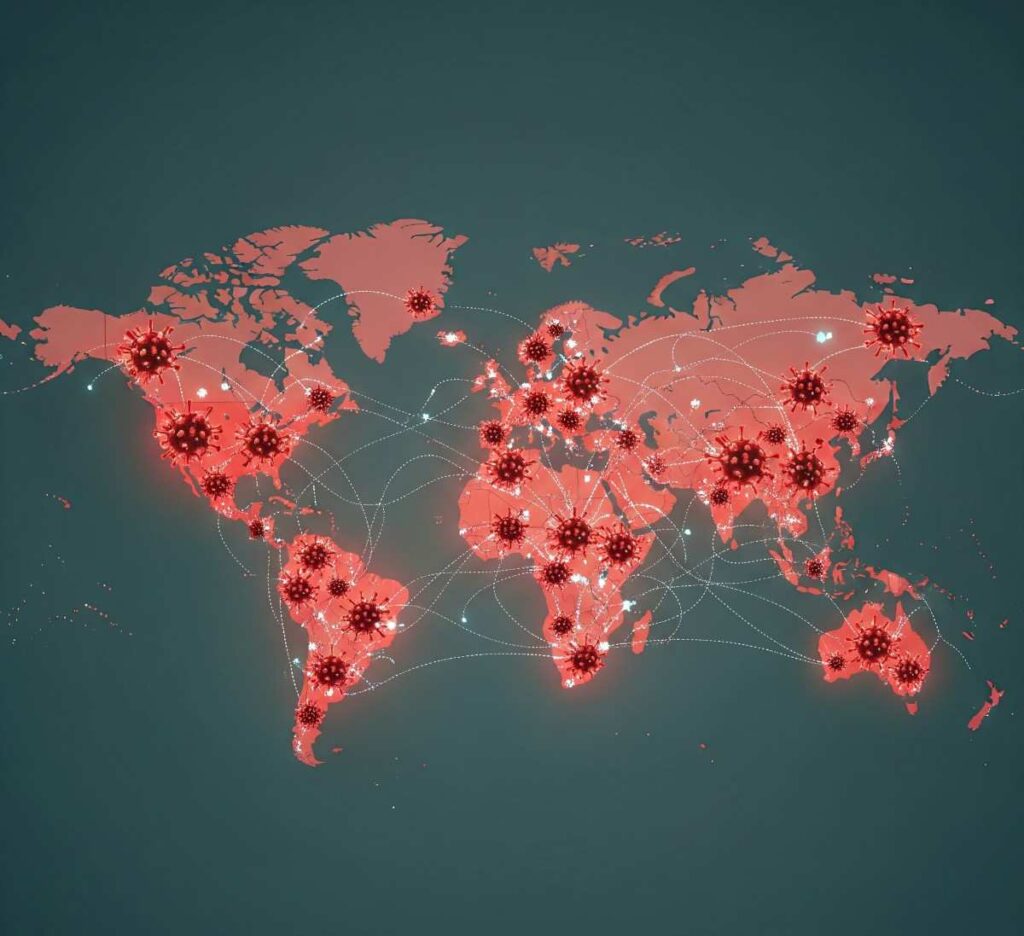
August 25, 2025 – The world may feel smaller than ever thanks to travel and technology, but with that closeness comes risk. As more Americans dust off their passports for vacations, business trips, and international adventures, health experts are urging travelers to stay alert about dangerous outbreaks abroad. From mosquito-borne viruses to rare but deadly diseases, 2025 is proving that the global fight against infectious threats is far from over.
Here’s a closer look at the outbreaks making headlines worldwide—and why they matter to you.
🧠 Guillain–Barré Syndrome Surge in Gaza
Hospitals in Gaza are sounding the alarm over a rise in Guillain–Barré Syndrome (GBS), a rare but devastating condition where the body’s own immune system attacks the nerves. Severe cases can lead to complete paralysis within days.
Doctors say the outbreak is especially worrying because many hospitals in the region are already overwhelmed and short on resources. While GBS is not contagious like a virus, it often follows viral infections—making crowded, stressed populations even more vulnerable.
Traveler takeaway: If you’re heading to conflict-affected or resource-strained areas, make sure to keep vaccinations up to date, practice strong hygiene, and avoid risky exposures.
🦟 Hepatitis A Spikes in India
In Ahmedabad, India, 224 cases of Hepatitis A have been reported this month alone. This liver infection, spread through contaminated food and water, can cause high fever, abdominal pain, jaundice, and weeks of weakness.
Doctors at Civil Hospital Ahmedabad reported that some patients required ICU care due to severe dehydration. Officials blame unsafe street food, poor sanitation, and unboiled water for the spike.
Traveler takeaway: For Americans heading to India, the Hepatitis A vaccine is highly recommended. Always drink bottled or boiled water, avoid raw food, and stick to freshly cooked meals.
👶 RSV: Different Paths in Ireland and India
Two major RSV (Respiratory Syncytial Virus) developments are making news:
- Ireland: The government is launching a nationwide RSV immunization program for infants, beginning September 1, 2025. Using a cutting-edge monoclonal antibody called nirsevimab, the campaign aims to drastically reduce infant hospitalizations and ICU admissions.
- India (Mumbai): Hospitals are seeing a rise in severe lower respiratory infections among children. The same antibody treatment, nirsevimab, is available but comes with a staggering price tag—₹40,000 per dose (around $500)—making it unaffordable for most families.
Traveler takeaway: If traveling with infants or children, be cautious about crowded indoor spaces and ensure your child has recommended vaccinations before traveling.
☠️ Nipah Virus Alert in Kerala, India
Kerala is on high alert after a new case of Nipah virus, which has already caused one death and left another patient critical. More than 425 people are under medical observation.
Nipah, carried by fruit bats, is one of the world’s deadliest viruses, with a fatality rate of up to 75%. It spreads through close contact, contaminated food, or infected animals. Past outbreaks in India have caused widespread panic.
Traveler takeaway: Avoid contact with bats, pigs, or raw fruit products in regions under Nipah watch. The U.S. CDC warns that there is no vaccine or cure—prevention is your only defense.
🦠 Oropouche Virus Across South America
The Oropouche virus, spread by midges and mosquitoes, is sweeping through South America. Brazil, Peru, Colombia, and Bolivia have reported over 11,000 confirmed cases. Symptoms resemble dengue fever—high fever, rash, muscle pain, and severe headaches.
While fatalities are rare, the outbreak is large enough to worry health experts. Cases linked to travelers have already been detected in the U.S. and Europe.
Traveler takeaway: If visiting South America, pack strong insect repellent, protective clothing, and mosquito nets. Consider avoiding peak mosquito activity hours (dusk and dawn).
🌐 Why Americans Should Care
Some might dismiss these outbreaks as “foreign problems,” but in today’s world, diseases don’t need passports. A single traveler returning from abroad can spark outbreaks at home, as seen with Zika, Ebola, and even early COVID-19.
Travel experts say international trips are booming again post-pandemic, and that makes health awareness as important as travel insurance.
✅ Final Word
From Gaza to India to South America, the lesson is clear: global outbreaks can quickly become personal risks. Whether you’re flying for business, study, or vacation, staying informed and prepared is the best way to protect yourself and your family.
👉 Takeaway for Readers: The world is open again—but so are its viruses. If you’re packing your bags, don’t forget to pack your awareness and precautions. Safe travels start with safe health.