Great Health Great Fitness

Heart and Kidney Health as People Age with HIV
Learn why cardiovascular and kidney screening matter for people ageing with HIV, how antiretroviral treatment fits into care, and which checks to discuss with a clinician.
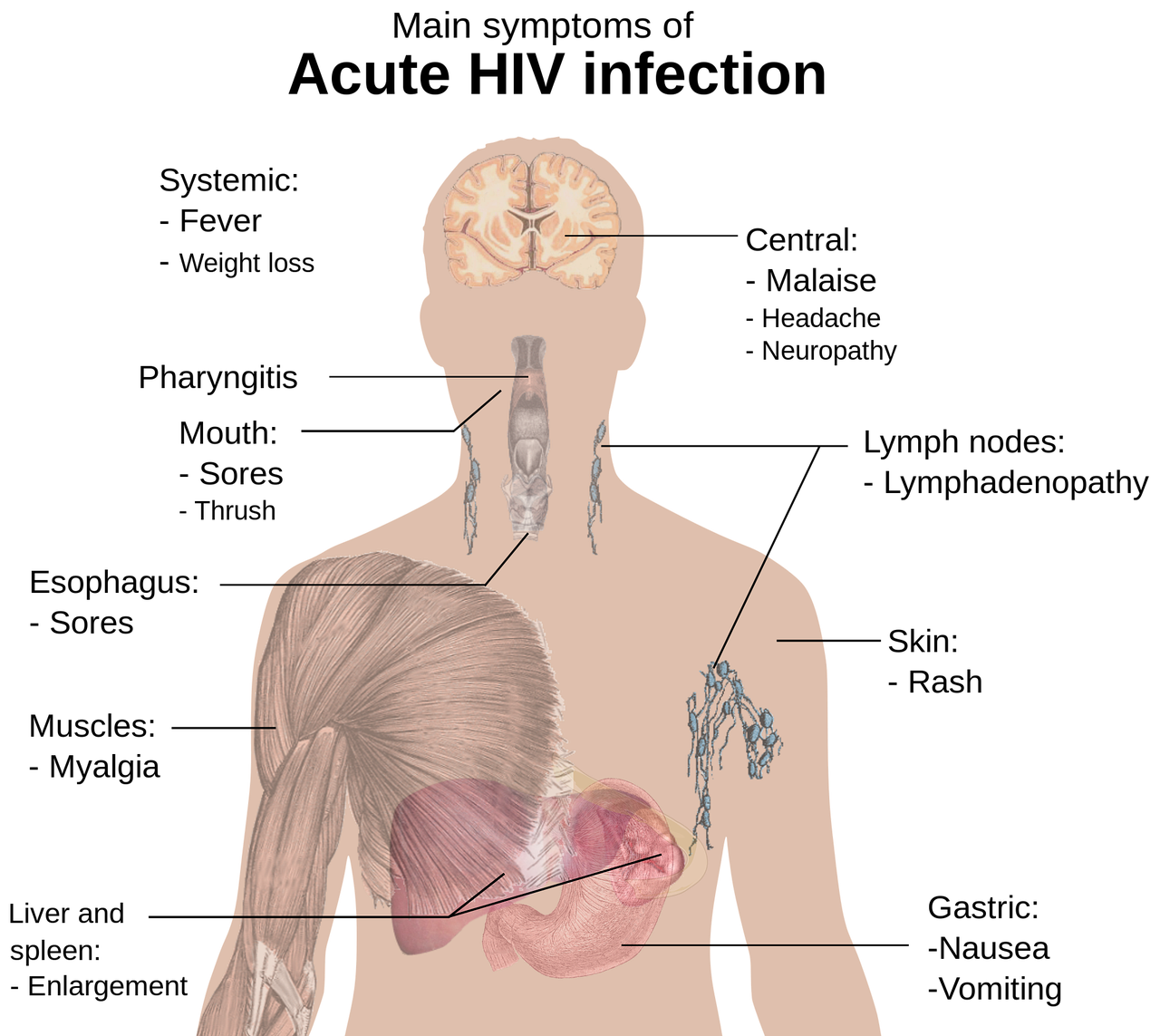
Understanding the Intersection of Aging, HIV, and Comorbidities
Imagine waking up every day with the knowledge that your body is battling not just one, but multiple health challenges. For many aging individuals living with HIV, this is a reality. Recent research published in the American Heart Association Journals sheds light on the concerning rise of cardiac and renal comorbidities in this population.
As life expectancy improves for people living with HIV, the focus has shifted from merely managing the virus to addressing other health issues that arise with aging. Heart disease and kidney problems are now significant health concerns for this demographic, affecting quality of life and longevity.
The Rise of Cardiac and Renal Comorbidities
People ageing with HIV may have increased risk of cardiovascular and metabolic conditions, and some may need closer kidney monitoring. Risk varies with age, smoking, blood pressure, diabetes, lipid levels, HIV history, medicines and other factors. Avoid broad claims that heart disease is the leading cause of death for all people with HIV; risk patterns differ across populations and change over time.
But why are these issues so prevalent? The answer lies in a combination of factors. Aging itself contributes to the natural deterioration of organ systems, but the long-term impact of HIV and its treatments also plays a crucial role.
Understanding the Mechanisms
Cardiovascular and kidney risk can reflect a combination of traditional risk factors, chronic inflammation and, in some cases, medication-specific effects. Modern antiretroviral therapy (ART) is essential for viral suppression and long-term health. Do not stop or switch ART because of general concerns about side effects; a specialist can review the specific regimen and alternatives if a problem is suspected.
Moreover, inflammation is a common consequence of HIV infection, and chronic inflammation has been linked to both cardiovascular disease and kidney dysfunction. As you age with HIV, these factors can accumulate, leading to an increased risk of serious health issues.
Recognizing Symptoms Early
Many cardiovascular and kidney conditions develop without obvious symptoms. Regular clinical checks may include blood pressure, cholesterol and glucose testing, kidney function (eGFR) and urine albumin testing when indicated. Ask the HIV care team which checks are appropriate for your age, medical history and current medicines.
- Shortness of breath
- Fatigue
- Swelling in the legs
- Changes in urination patterns
Chest pain, sudden severe breathlessness, fainting, new weakness or difficulty speaking needs urgent medical assessment. Swelling, changes in urination or unusual fatigue should be discussed with a clinician but are not specific to heart or kidney disease.
Impact on Quality of Life
Living with comorbid cardiac and renal issues can significantly affect a person’s quality of life. For an older adult living with HIV, the burden of managing multiple chronic conditions may lead to increased healthcare costs, social isolation, and mental health challenges such as anxiety and depression.
Imagine having to juggle frequent doctor visits, manage multiple medications, and cope with the emotional weight of your health. This reality isn’t just a statistic; it’s an everyday struggle for many individuals.
Strategies for Prevention and Management
Risk reduction includes maintaining viral suppression with prescribed ART, avoiding tobacco, staying active within individual limits, managing blood pressure, glucose and lipids, and reviewing medicines with the HIV care team. Kidney and heart screening should be tailored to individual risk.
- Regular Check-ups: Routine screenings for heart and kidney health are essential. Early detection can lead to better management outcomes.
- Healthy Lifestyle Choices: Adopting a heart-healthy diet rich in fruits, vegetables, and whole grains can help lower risks. Regular physical activity is also crucial.
- Medication Management: Work closely with healthcare providers to optimize medications for HIV while minimizing impacts on the heart and kidneys.
- Mental Health Support: Addressing mental health is vital. Counseling or support groups can provide much-needed resources and a sense of community.
The Importance of Community Support
Support networks can make a world of difference for aging individuals living with HIV. Whether it’s friends, family, or support groups, sharing experiences and resources can help tackle the emotional and practical challenges posed by these comorbidities.
Consider participating in local or online communities where you can exchange tips, share experiences, and find encouragement. Collective resilience can enhance coping strategies and provide a sense of belonging.
Future Directions for Research and Care
The growing understanding of the relationship between HIV and chronic conditions such as heart and kidney disease underscores the need for ongoing research and tailored healthcare approaches. As scientists explore the intricacies of these comorbidities, the hope is that we’ll see advancements in preventative measures and treatment options.
For healthcare providers, adopting a holistic approach that considers the interplay between HIV, aging, and comorbidity management is vital. This could mean better coordinated care plans that address all aspects of a patient’s health.
A Call to Action
As we continue to make strides in HIV treatment and management, it’s imperative to not lose sight of the broader health implications. If you are living with HIV and entering your golden years, take charge of your health proactively.
Stay informed, maintain open communication with your healthcare team, and never hesitate to ask questions. Remember, your health is in your hands, and by taking actionable steps, you can navigate the complexities of aging with HIV more effectively.
In summary, understanding the link between HIV and the rising prevalence of cardiac and renal comorbidities is crucial for improving the quality of life for aging individuals living with the virus. By prioritizing preventive measures, fostering community support, and advocating for comprehensive care, we can tackle these challenges head-on.
Sources and further reading
AUVON Weekly Pill Organizer with Easy-Open Design
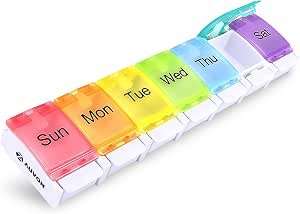
A weekly organiser for separating daily medication doses
This AUVON weekly pill organiser has seven date-marked compartments and spring-assisted lids. It may help organise a medication routine, but people taking antiretroviral therapy should ask their pharmacist before moving medicines from original packaging, since some medicines have specific storage requirements. Never change or interrupt HIV treatment without the prescribing clinician.
View the AUVON Weekly Pill Organizer on Amazon
Affiliate disclosure: GHGF may earn a commission from qualifying purchases made through this Amazon link, at no extra cost to you.
This article is for general informational purposes only and is not medical advice. It is not a substitute for professional medical diagnosis, treatment, or care. Always consult a qualified healthcare provider with any questions about a medical condition or before making changes to your health routine.