Great Health Great Fitness

Chronic Kidney Disease and Cognitive Changes: Signs, Causes and Support
Learn what research says about cognition and chronic kidney disease, possible contributing factors, and when to discuss memory or concentration changes with a care team.
The Unseen Connection Between CKD and Cognitive Health
Some people living with chronic kidney disease (CKD) experience difficulty with memory, attention or processing information. These changes can have several causes and do not occur in everyone with CKD. They deserve attention because they may affect daily activities, communication and treatment decisions.
Understanding Chronic Kidney Disease
Chronic kidney disease is a long-term condition characterized by the gradual loss of kidney function over time. The kidneys play a critical role in filtering waste products and excess fluids from the blood, maintaining a balance of electrolytes, and producing essential hormones. When the kidneys are compromised, waste accumulates, leading to various health complications.
CKD can result from several factors, including diabetes, high blood pressure, and certain genetic conditions. As the disease progresses, not only does kidney function decline, but patients may also experience an array of symptoms, such as fatigue, swelling, and changes in urination patterns.
The Startling Link: Cognitive Impairment and CKD
What makes the recent findings so alarming is that cognitive impairment isn’t just a side effect of the later stages of CKD; it can start early in the disease’s progression. Many patients may not even be aware of their deteriorating cognitive capabilities until it becomes severely pronounced. Cognitive impairments can manifest as memory loss, difficulty concentrating, and challenges in reasoning and problem-solving.
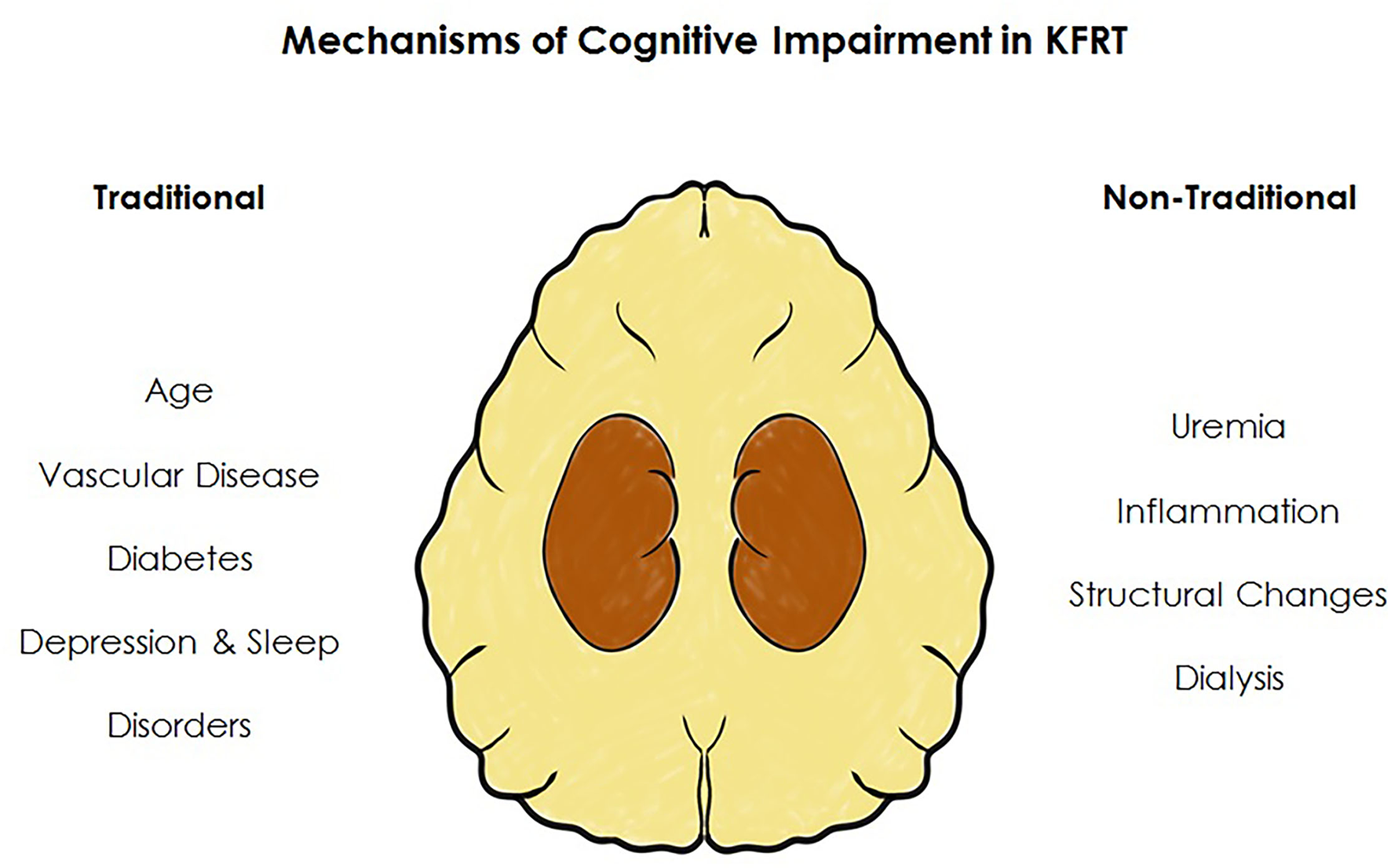
Research finds that cognitive difficulties are more common in people with CKD than in the general population, particularly among people receiving haemodialysis. Possible contributors include vascular disease, anaemia, metabolic disturbances, sleep problems, depression, medication burden and the accumulation of uraemic toxins. Studies do not establish one single cause for every person.
Recognizing Symptoms: What to Look For
Recognizing the symptoms of cognitive impairment can be challenging, especially for individuals who may attribute their forgetfulness or difficulty concentrating to aging or stress. Here are some common signs to watch for:
- Memory Loss: Forgetting recent events, appointments, or even familiar faces.
- Difficulty Concentrating: Struggling to focus on tasks or conversations.
- Confusion: Getting easily disoriented in familiar surroundings.
- Language Problems: Trouble finding the right words during conversations.
Report new, persistent or worsening changes to the healthcare team. Sudden confusion, new weakness, facial droop, difficulty speaking or a sudden severe headache requires emergency assessment, because these can signal an urgent condition such as stroke or infection.
Managing Cognitive Impairment in CKD Patients
While the link between CKD and cognitive impairment may seem daunting, there are several strategies that can help manage cognitive health:
- Assessment when indicated: Ask the care team whether a cognitive assessment is appropriate if memory, attention or daily functioning changes. Routine testing schedules are not identical for everyone.
- Medication Management: Ensure that all medications are appropriate and that side effects are monitored. Some medications may exacerbate cognitive issues.
- Manage contributing health factors: Follow clinical advice for blood pressure, diabetes, anaemia, sleep and medication review. Fluid and diet advice should follow the individual kidney-care plan.
- Enjoyable activities: Reading, puzzles and social activities can provide engagement and enjoyment, but should not be presented as a proven treatment for CKD-related cognitive impairment.
The Role of Healthcare Providers
Clinicians can review medicines, blood pressure, glucose, anaemia, sleep, mood and other potentially reversible contributors. Patients and caregivers can bring examples of changes noticed at home and a list of medicines to appointments.
The Importance of Support Systems
Living with CKD and cognitive impairment can be overwhelming, both for the individual and their family. Building a strong support system is vital. Caregivers should be educated about the signs of cognitive decline and be ready to assist with daily tasks or decision-making when necessary.
Support groups and community resources can also provide emotional assistance and coping strategies for both patients and caregivers. Sharing experiences with others who are facing similar challenges can foster a sense of belonging and understanding.
Looking Ahead: The Future of CKD and Cognitive Health
As research continues to unveil the complexities of chronic kidney disease and its broader impacts on health, it is crucial for patients, caregivers, and healthcare providers to stay informed and proactive. Current studies are delving deeper into the mechanisms behind cognitive impairment in CKD, paving the way for potential therapeutic interventions.
By prioritizing cognitive health alongside kidney function, we can improve the quality of life for CKD patients. The road ahead may be challenging, but with awareness and action, significant strides can be made in ensuring better health outcomes.
Sources and further reading
- CONNECT Network: Cognitive Impairment in CKD—Guidance Document
- NIDDK: What Is Chronic Kidney Disease?
- Nature Reviews Nephrology: Dialysis and Cognitive Impairment (2025)
Memory Games for Active Seniors

Large-print puzzles for recreation and mental engagement
Memory Games for Active Seniors is a large-print activity book with puzzles and recall exercises. It can offer an enjoyable activity, but there is no basis to claim that a puzzle book prevents or treats cognitive impairment related to kidney disease. New or worsening confusion or memory problems should be discussed with a healthcare professional.
View Memory Games for Active Seniors on Amazon
Affiliate disclosure: GHGF may earn a commission from qualifying purchases made through this Amazon link, at no extra cost to you.
This article is for general informational purposes only and is not medical advice. It is not a substitute for professional medical diagnosis, treatment, or care. Always consult a qualified healthcare provider with any questions about a medical condition or before making changes to your health routine.