Great Health Great Fitness

Understanding Prediabetes in Older Adults: What You Need to Know
Understanding a prediabetes diagnosis as an older adult: implications, risks, and effective strategies for management and reversal.
The Hidden Reality of Prediabetes: A Growing Concern
Imagine this: you’ve just visited your doctor for a routine check-up, and the news is alarming—your blood sugar levels indicate prediabetes. What does that mean, especially as an older adult? This recent headline from Harvard Health, “Prediabetes diagnosis as an older adult: What does it really mean?” has sparked conversations that many may find unsettling yet necessary. Prediabetes is a critical health warning, and recognizing its implications is essential for maintaining your health.
Worth knowing about while we're on the topic: Syntus Yoga Block — Check Price on Amazon.
What Is Prediabetes?
Prediabetes occurs when your blood sugar levels are higher than normal but not yet high enough to be diagnosed as type 2 diabetes. It’s like a red flag, indicating that your body is struggling to manage glucose effectively. Though you might feel fine physically, the underlying metabolic changes can turn into serious health issues if left unaddressed.
Why Are Older Adults at Greater Risk?
As you age, your body’s ability to process glucose diminishes. This is due to various factors, including hormonal changes, reduced muscle mass, and a natural decline in physical activity. For older adults, the risk of developing prediabetes is compounded by common age-related health issues, such as hypertension and obesity.
Recognizing the Symptoms
Many people with prediabetes experience no noticeable symptoms, making it even more important to understand the signs. You might notice:
- Unusual thirst
- Frequent urination
- Fatigue
- Blurred vision
If you’re experiencing any of these, it’s crucial to consult a healthcare professional for screening. Remember, early detection is vital.
The Connection to Type 2 Diabetes
Here’s the shocking truth: without intervention, prediabetes can lead to type 2 diabetes within five years. Studies show that about 70% of individuals with prediabetes will eventually develop diabetes if they don’t take action. This progression occurs because the body’s insulin response weakens over time, leading to elevated blood sugar levels.
Understanding the Statistics
According to the Centers for Disease Control and Prevention (CDC), nearly 88 million adults in the U.S. have prediabetes, with many unaware of their condition. For older adults, this figure is even more concerning; the risk increases significantly after 45. If you’re part of this demographic, it’s essential to be proactive.
What Can You Do?
So, you’ve been diagnosed with prediabetes. What’s next? Here are some effective strategies to reverse your prediabetes:
1. Revamp Your Diet
Eating a balanced diet is one of the most effective ways to manage blood sugar levels. Focus on whole foods, including:
 Popular Choice
Balance of Nature Supplement — Supports daily nutrition with whole fruit and vegetable ingredients.
Check Price on Amazon
- Fruits and vegetables
- Whole grains
- Lean proteins
- Healthy fats
Avoid processed foods and sugary snacks, which can spike your blood sugar. You don’t have to make drastic changes overnight; start by incorporating more fruits and vegetables into your meals and reducing sugary drinks.
2. Get Moving
Physical activity plays a crucial role in managing prediabetes. Aim for at least 150 minutes of moderate exercise each week. Activities like walking, swimming, or even gardening can significantly improve your insulin sensitivity. Start small if you need to; even a daily 10-minute walk can make a difference.
3. Monitor Your Blood Sugar
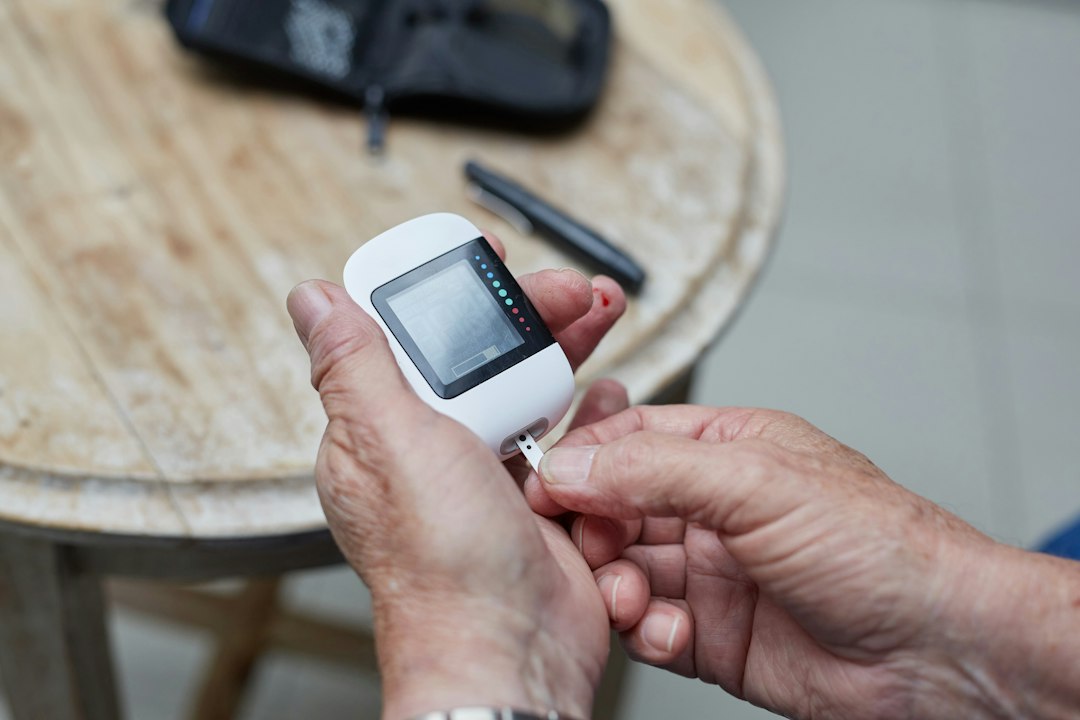
Regularly checking your blood sugar levels can help you understand how your body responds to different foods and activities. Keeping a log can be beneficial when discussing your health with your doctor. Remember, knowledge is power.
4. Maintain a Healthy Weight
The connection between maintaining a healthy weight and controlling blood sugar cannot be overstated. Even a modest weight loss of 5-7% can significantly reduce your risk of developing type 2 diabetes. If you’re uncertain about how to start a weight loss journey, consulting with a nutritionist or dietitian can provide tailored guidance.
The Role of Healthcare Professionals
Don’t navigate this journey alone. Engage your healthcare team in developing a personalized plan to manage your prediabetes. Regular check-ups are essential to monitor your progress and make necessary adjustments to your lifestyle. Your doctor can also assess for other risk factors, such as high blood pressure or cholesterol, that often accompany prediabetes.
Medication May Be Necessary
In some cases, medication may be recommended to help manage your blood sugar levels, especially if lifestyle changes alone aren’t effective. Drugs like metformin have been shown to help individuals with prediabetes. Always consult your doctor about the best approach for your situation.
Emotional and Psychological Aspects
Being diagnosed with prediabetes can be overwhelming. You may feel anxious about the future or worried about your health. It’s essential to address these feelings. Reach out to supportive friends or family members, or consider joining a support group for those managing prediabetes. Discussing your feelings can significantly improve your mental health.
Mindfulness and Stress Reduction
Stress can wreak havoc on your blood sugar levels, making stress management techniques vital. Practices like yoga, meditation, and deep-breathing exercises can help maintain your emotional well-being and stabilize your blood sugar. Carving out even 10 minutes a day for these practices can lead to noticeable changes.
 Editor's Pick
Syntus Yoga Block
Enhance your practice with stability and support in various poses.
Long-Term Health Implications
Addressing prediabetes now can safeguard your future health. Maintaining a healthy lifestyle not only helps manage your blood sugar but can also lower your risk for heart disease, stroke, and certain types of cancer. It’s all interconnected—your overall health is intricately linked to your blood sugar management.
Living with Prediabetes
While a prediabetes diagnosis can feel daunting, it’s important to recognize that it doesn’t have to be a life sentence. With the right lifestyle changes and support, many individuals are able to revert their prediabetes status and lead healthy, fulfilling lives. Remember, you have the power to take control of your health.
Stay informed, remain proactive, and don’t hesitate to reach out for help when needed. Your health journey is unique, but you are not alone.
RecommendedBalance of Nature Supplement — Supports daily nutrition with whole fruit and vegetable ingredients.
Check Price on Amazon
This article is for general informational purposes only and is not medical advice. It is not a substitute for professional medical diagnosis, treatment, or care. Always consult a qualified healthcare provider with any questions about a medical condition or before making changes to your health routine.
As an Amazon Associate I earn from qualifying purchases.
This post may contain affiliate links — if you make a purchase through them, we may earn a small commission at no additional cost to you.