Great Health Great Fitness

Transform Your Health: How a Heart-Healthy Diet Can Manage Cholesterol and Prevent Heart Disease
Discover how a heart-healthy diet can lower cholesterol and prevent heart disease with these practical tips and real-life success stories.
Imagine This:
You’re at your favorite restaurant, sitting across from a friend, and you can’t help but notice the plate of golden fried calamari glistening under the warm lights. It looks delicious, but you remember the last time you indulged in fried food—your doctor’s words echoing in your mind about cholesterol levels and heart disease. Do you reach for the calamari or opt for the grilled salmon salad instead? This scenario is all too familiar for many of us, especially those trying to manage cholesterol and safeguard heart health.
Before diving in — if you're looking for practical support, Balance of Nature Supplement is worth a look — Check Price on Amazon.
The truth is, your dietary choices have a profound impact on your cholesterol levels and overall heart health. Let’s dive deeper into how a heart-healthy diet can help you take control of your health and prevent serious conditions like heart disease.
Understanding Cholesterol: The Good and the Bad
Cholesterol often gets a bad rap, but it’s important to understand that not all cholesterol is created equal. There are two main types:
- Low-Density Lipoprotein (LDL): Often referred to as “bad cholesterol,” high levels of LDL can lead to the build-up of plaque in your arteries, increasing the risk of heart disease and stroke.
- High-Density Lipoprotein (HDL): Known as “good cholesterol,” HDL helps carry cholesterol away from the arteries and back to the liver for removal from the body. Higher levels of HDL are generally associated with a lower risk of heart disease.
When you consume a heart-healthy diet, you can significantly influence these cholesterol levels. Foods rich in healthy fats, fiber, and antioxidants can help raise your HDL levels while lowering your LDL.
Heart-Healthy Foods to Include in Your Diet
So, what exactly should you be eating? Here’s a list of some heart-healthy foods that you can easily incorporate into your daily meals:
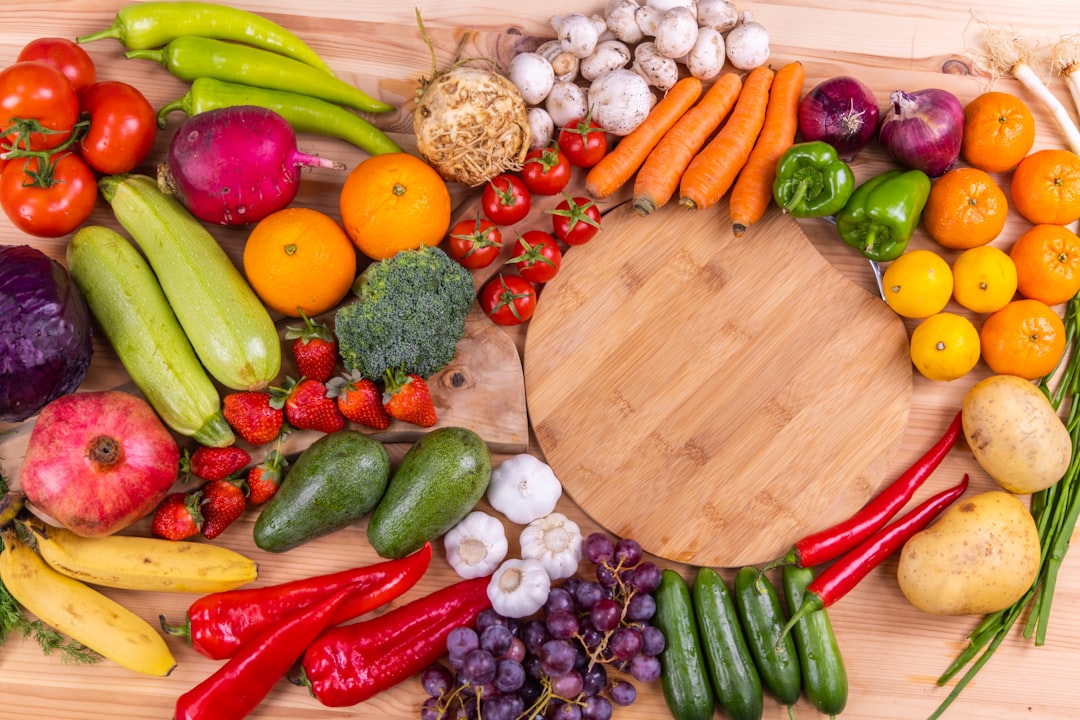
- Fruits and Vegetables: Aim for a variety of colors on your plate. Berries, leafy greens, and avocados are particularly beneficial. For example, berries are rich in antioxidants that can help lower blood pressure and cholesterol.
- Whole Grains: Foods like oatmeal, quinoa, and brown rice are high in soluble fiber, which can help lower cholesterol. Start your day with a bowl of oatmeal topped with fruit for a heart-healthy breakfast.
- Healthy Fats: Incorporate sources of healthy fats such as olive oil, nuts, and fatty fish like salmon. These foods are rich in omega-3 fatty acids that can reduce inflammation and help lower LDL cholesterol.
- Legumes: Beans, lentils, and chickpeas are excellent sources of protein and fiber. They can replace unhealthy meats in your diet and help maintain stable blood sugar levels.
- Nuts and Seeds: Almonds, walnuts, flaxseeds, and chia seeds not only provide healthy fats but also are packed with fiber and protein. Just be mindful of portion sizes, as they are calorie-dense.
Foods to Limit for Heart Health
While it’s important to know what to include in your diet, it’s equally critical to recognize what to limit. Here are some foods that can contribute to high cholesterol and should be consumed in moderation:
 Editor's Pick
GNC Mega Men Multivitamin — Supports heart and prostate health with clinically studied antioxidants.
View on Amazon
 Popular Choice
Balance of Nature Supplement
Supports daily nutrition with whole fruit and vegetable ingredients.
- Saturated Fats: Found in red meat, butter, and full-fat dairy products, these fats can raise your LDL cholesterol. Try swapping butter for olive oil or avocado on your toast.
- Trans Fats: Often found in processed foods and margarine, trans fats raise LDL cholesterol and lower HDL cholesterol. Always check nutrition labels for “partially hydrogenated oils” and avoid them.
- Processed Meats: Sausages, bacon, and deli meats can be high in saturated fat and sodium. Try substituting with lean poultry or plant-based proteins.
- Added Sugars: Foods high in added sugars, like sugary drinks and desserts, can lead to weight gain and increase the risk of heart disease. Instead, satisfy your sweet tooth with fresh fruit.
Real-Life Impact: How a Heart-Healthy Diet Transformed Lives
Realizing the significance of a heart-healthy diet can be a game-changer. Take the story of Sarah, a 52-year-old who faced high cholesterol levels and was teetering on the edge of heart disease. After a routine check-up, her doctor urged her to make dietary changes. With determination, Sarah began incorporating more fruits, vegetables, and whole grains into her meals. Within three months, her LDL levels dropped significantly, and her HDL levels improved. Not only did she feel more energetic, but she also reduced her risk factors for heart disease.
Or consider Tom, a 45-year-old workaholic who relied heavily on fast food. After experiencing troubling chest pains during a stressful workday, he decided to reassess his diet. By cutting back on processed foods and enhancing his meals with heart-healthy options, Tom lost weight and gained a newfound zest for life.
The Role of Lifestyle Changes
Adopting a heart-healthy diet can be incredibly effective, but it’s not the only piece of the puzzle. Lifestyle changes play a crucial role as well. Here are a few key aspects to consider:
- Regular Exercise: Aim for at least 150 minutes of moderate aerobic activity each week. Walking, biking, or dancing can help improve your heart health and lower cholesterol levels.
- Weight Management: Maintaining a healthy weight can significantly influence your cholesterol levels. Even a modest weight loss of 5-10% can have a positive impact.
- Avoid Smoking: If you smoke, seek help to quit. Smoking is a major risk factor for heart disease and can lower your HDL cholesterol.
- Stress Management: Chronic stress can negatively affect your heart health. Incorporate relaxation techniques such as yoga, meditation, or even simple breathing exercises.
Warning Signs You Shouldn’t Ignore
While a heart-healthy diet can greatly reduce your risk, it’s essential to remain vigilant about your health. Be aware of these warning signs:
- Chest Pain or Discomfort: This could be a sign of heart disease and should never be ignored.
- Shortness of Breath: If you experience breathlessness during simple tasks, it’s time to consult a healthcare professional.
- Unexplained Fatigue: Persistent tiredness could indicate underlying heart issues, especially if accompanied by other symptoms.
Getting Started: Practical Tips for a Heart-Healthy Diet
Ready to make a change? Here are some practical tips to help you transition to a heart-healthy diet:
- Plan Your Meals: Create a weekly meal plan that focuses on heart-healthy foods. This helps you stay organized and avoid last-minute unhealthy choices.
- Read Labels: Familiarize yourself with reading food labels. Look for low saturated fat, trans fat, and sugar content.
- Cook at Home: Preparing meals at home allows you to control ingredients. Experiment with new recipes that utilize whole foods.
- Find Support: Join a cooking class or a local health group. Sharing experiences with others can keep you motivated and accountable.
Building a Lifelong Habit
Transitioning to a heart-healthy diet is not just a short-term fix; it’s a lifelong commitment to your health. By making small, sustainable changes and prioritizing heart-healthy foods, you can significantly impact your cholesterol levels and overall well-being.
Remember, you’re not alone on this journey. Consult with your healthcare provider or a registered dietitian to tailor a plan that’s right for you. You have the power to take charge of your health and reduce your risk of heart disease—one delicious meal at a time.
Popular ChoiceGNC Mega Men Multivitamin — Supports heart and prostate health with clinically studied antioxidants.
View on Amazon
This article is for general informational purposes only and is not medical advice. It is not a substitute for professional medical diagnosis, treatment, or care. Always consult a qualified healthcare provider with any questions about a medical condition or before making changes to your health routine.
As an Amazon Associate I earn from qualifying purchases.
This post may contain affiliate links — if you make a purchase through them, we may earn a small commission at no additional cost to you.