Great Health Great Fitness

Spotting the Red Flags: Your Essential Guide to Early Warning Signs of Heart Disease
Learn to recognize the early warning signs of heart disease and take proactive steps to protect your heart health.

Imagine This Scenario
It’s a typical Saturday afternoon. You’re lounging on the couch, flipping through channels, when suddenly, you feel an unusual tightness in your chest. Maybe it’s just indigestion from the slice of pizza you had for lunch—after all, you’re active and relatively young, right? But what if it’s not just that? What if this is a signal your heart is sending you, warning you of something more serious?
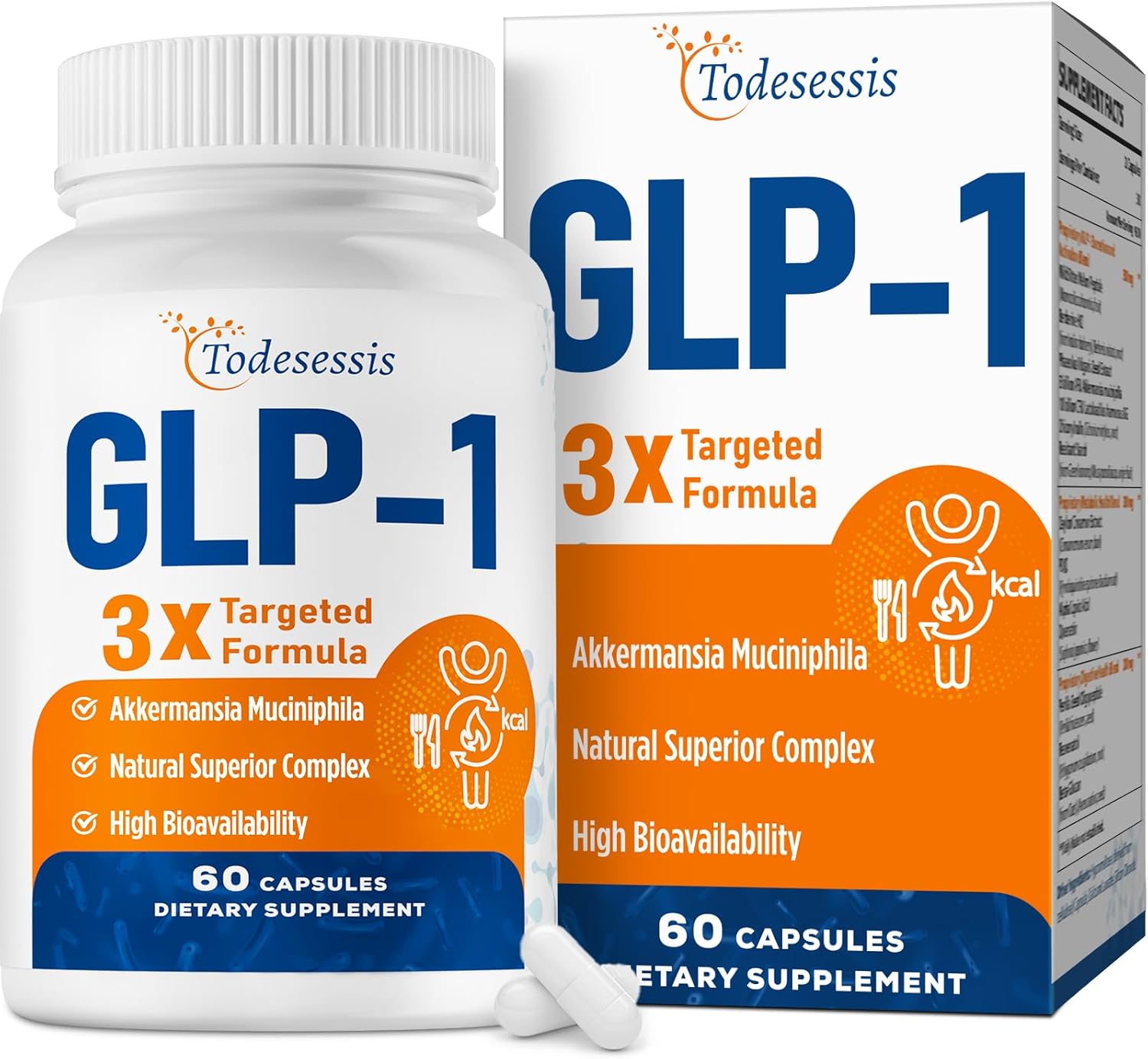 Popular Choice
GLP-1 Probiotic Supplement — Supports metabolism and gut health with a unique probiotic blend.
See Latest Price
Quick tip: many readers have found Complete Nutritional Powder genuinely helpful here — See Latest Price.
The Reality of Heart Disease
Heart disease remains one of the leading causes of death globally. In fact, it claims about 697,000 lives each year in the United States alone. Despite its prominence, many people overlook the early warning signs or dismiss them as trivial. Ignoring these signs can lead to severe consequences.
Understanding the Early Warning Signs
Recognizing the early warning signs of heart disease can be the difference between life and death. But what should you look for? Here are some common symptoms that shouldn’t be ignored:
Chest Discomfort
Chest pain is often the most recognized symptom of a heart problem. However, it can manifest in various ways. You might experience:
- A sense of pressure or squeezing.
- Pain that radiates to your arms, neck, back, or jaw.
- Shortness of breath with or without discomfort in the chest.
These sensations can last for a few minutes or go away and return. If you feel something is off, don’t chalk it up to just a bad meal.
Fatigue and Weakness
If you’ve been feeling unusually tired or weak, this could be a warning sign. For women in particular, extreme fatigue can be an early indicator of heart disease. If a simple walk leaves you feeling exhausted, it’s time to consult with a healthcare professional.
Unexplained Sweating
Breaking into a cold sweat when you’re not exerting yourself is another sign that shouldn’t be ignored. While sweating can occur during physical activities or hot weather, spontaneous sweating without an obvious cause can indicate an underlying heart issue.
Heart Palpitations
Ever felt your heart race for no apparent reason? Palpitations can feel like your heart is pounding, fluttering, or beating irregularly. While they can be harmless, frequent palpitations, especially if accompanied by dizziness or shortness of breath, should be evaluated.
Less Common Symptoms
Some signs of heart disease may surprise you. They can be more subtle but equally important:
Swelling in the Legs, Ankles, or Feet
Fluid retention can signal heart issues. If you notice swelling in your legs or ankles, it could indicate that your heart isn’t pumping effectively. This can lead to fluid buildup in your body.
Gastrointestinal Issues
While many people associate heart problems strictly with chest pain, gastrointestinal symptoms like nausea, indigestion, or heartburn can also signal a heart issue. If these signs are new or severe, especially if they come with other symptoms, get them checked out.
Sleep Apnea
Do you snore loudly or experience pauses in breathing while sleeping? Sleep apnea can increase your risk of heart disease. If you suspect you might have this condition, seek help. Improving your sleep quality may improve your heart health.
Why You Shouldn’t Ignore These Signs
Ignoring these symptoms can lead to devastating consequences. Heart disease can progress silently, with individuals often unaware until they experience a severe event, such as a heart attack or stroke. Acting on early signs can mean the difference between a routine treatment and a life-threatening situation.
How to Take Control of Your Heart Health
You have the power to improve your heart health. Here are key steps to consider:
- Regular Check-Ups: Make routine appointments with your healthcare provider. They can help monitor your heart health and catch any issues early.
- Know Your Family History: If heart disease runs in your family, be proactive. Discuss your family history with your doctor and consider more frequent screenings.
- Maintain a Healthy Lifestyle: Eat a balanced diet rich in fruits, vegetables, whole grains, lean proteins, and healthy fats. Regular physical activity is also crucial.
- Manage Stress: Chronic stress can take a toll on your heart. Find healthy ways to manage stress through yoga, meditation, or hobbies you enjoy.
- Avoid Smoking and Limit Alcohol: Smoking and excessive alcohol intake can significantly increase your risk of heart disease. If you smoke, seek resources to help you quit.
Recognizing Risk Factors
In addition to monitoring symptoms, being aware of your risk factors can help you take proactive steps toward maintaining a healthy heart. Here are some significant risk factors to consider:
 Worth a Look
Complete Nutritional Powder
Provides balanced nutrition in a tasty, convenient powder form.
Age and Gender
As you age, your risk increases. Men generally face a higher risk at a younger age compared to women, but post-menopausal women also see an elevation in risk.
High Blood Pressure and Cholesterol
Both high blood pressure and high cholesterol can damage your arteries and increase your chances of heart disease. Regular checks can help you stay on top of these conditions.
Diabetes
Having diabetes significantly raises your risk for heart disease. If you manage diabetes, paying close attention to your heart health is crucial.
Obesity
Excess weight can lead to conditions like high blood pressure and diabetes, increasing your heart disease risk. Even a modest weight loss can help reduce your risk.
When to Seek Help
If you experience any of the symptoms mentioned, don’t hesitate. Seek medical attention immediately. Recognizing these signs early can allow for timely interventions and potentially save your life.
Empowering Yourself with Knowledge
Your heart health is essential, and understanding the early warning signs of heart disease is the first step in taking charge of it. Stay informed, listen to your body, and never hesitate to reach out to healthcare professionals when something feels off. Remember, you know your body best.
By recognizing the symptoms, adopting a heart-healthy lifestyle, and staying proactive with regular check-ups, you can significantly reduce your risk and live a longer, healthier life.
Worth a LookGLP-1 Probiotic Supplement — Supports metabolism and gut health with a unique probiotic blend.
See Latest Price
This article is for general informational purposes only and is not medical advice. It is not a substitute for professional medical diagnosis, treatment, or care. Always consult a qualified healthcare provider with any questions about a medical condition or before making changes to your health routine.
As an Amazon Associate I earn from qualifying purchases.
This post may contain affiliate links — if you make a purchase through them, we may earn a small commission at no additional cost to you.