Great Health Great Fitness

What You Need to Know About the New Tick-Borne Virus Discovered in China
Learn about the new tick-borne virus discovered in China and how to protect yourself from potential flu-like symptoms.
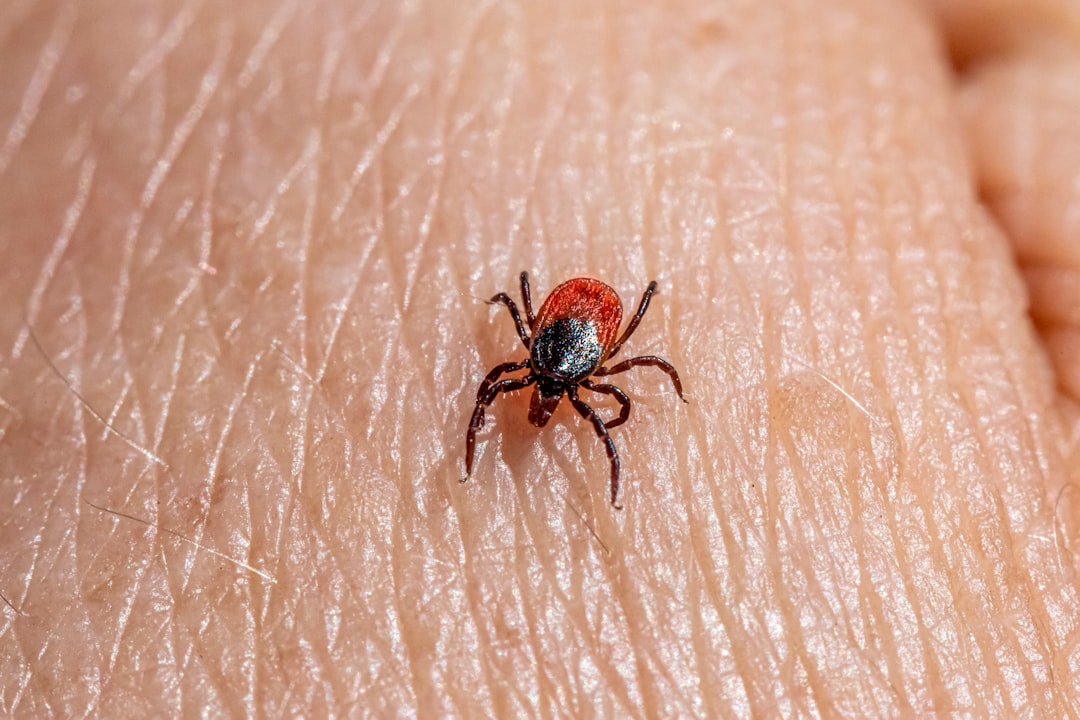
Emerging Threat: The New Tick-Borne Virus
Imagine stepping into your backyard, perhaps enjoying a sunny afternoon, when suddenly, a tiny tick latches onto your skin. This scenario is not just a summer nuisance anymore; it has taken on a new, concerning twist. A new tick-borne virus that can cause flu-like illnesses has recently been discovered in China, raising alarms among health experts and communities alike.
Quick tip: many readers have found One A Day Women's Vitamins genuinely helpful here — View on Amazon.
What Is This New Virus?
The virus, specifically identified as a novel pathogen, is causing scientists and health officials to take a closer look at tick-borne diseases. While the precise name of the virus has not been released widely, health authorities are already alerting the public to its potential risks. Initial reports indicate that symptoms may mirror those of the flu, including fever, fatigue, and muscle aches.
The Symptoms: What to Watch For
In cases of flu-like illnesses, early detection can make all the difference. Here’s what you should be on the lookout for:
- High fever: A sudden spike in temperature can be an early sign of infection.
- Severe headaches: Often accompanied by body aches, this symptom can be particularly debilitating.
- Fatigue and malaise: A feeling of exhaustion and lethargy may develop.
- Muscle and joint pain: Similar to symptoms of viral infections, these may become prominent.
If you notice these symptoms after spending time outdoors, especially in wooded or grassy areas where ticks thrive, you should seek medical advice as soon as possible.
How Is the Virus Transmitted?
The primary mode of transmission for this newly discovered virus is through tick bites. Ticks attach themselves to hosts—humans included—and transfer pathogens during their feeding process. It’s essential to note that not all ticks carry the virus, but the potential for transmission is a real concern.
Prevention: Stay Informed and Vigilant
Prevention is key when it comes to tick-borne diseases. Here are some important tips to minimize your risk:
- Wear protective clothing: Long sleeves and pants can help shield your skin from ticks.
- Use insect repellent: Look for repellents containing DEET or other proven ingredients.
- Perform tick checks: After spending time outdoors, thoroughly check your body and clothing for ticks.
- Shower after outdoor activities: This can help wash away any ticks that may have latched onto your skin.
Rising Concern: Why This Virus Matters
Health experts are watching this development closely for several reasons. First, the emergence of new viruses points to changing ecological conditions, possibly influenced by climate change and human encroachment into wildlife habitats. This tick-borne virus is just one example of how interconnected our health is with the environment.
 Recommended
One A Day Women's Vitamins — Supports women's health with essential vitamins and minerals.
View on Amazon
Moreover, the flu-like symptoms can often lead to misdiagnosis or delayed treatment. In a world still grappling with the COVID-19 pandemic, it’s crucial to differentiate between various viral infections quickly. This situation underlines the importance of staying informed about new health threats, particularly as they emerge in different parts of the world.
Global Implications of Tick-Borne Viruses
Historically, tick-borne diseases such as Lyme disease and Rocky Mountain spotted fever have posed significant health risks, particularly in certain regions. As new viruses appear, the potential for outbreaks increases, which can overwhelm healthcare systems.
In addition, there is a growing concern that this new virus could spread beyond China. Travel, trade, and climate patterns can facilitate the movement of ticks and their pathogens, bringing potential risks to other regions, including North America and Europe.
What Can You Do?
It’s understandable to feel anxious about a new virus discovery, but there are proactive steps you can take. Keep abreast of updates from reliable sources such as the World Health Organization (WHO) or your local health department. Here are some practical steps you can follow:
Editor's PickOne A Day Women's Vitamins
Supports women's health with essential vitamins and minerals.
- Stay informed: Regularly check health department updates for new information on the virus.
- Educate others: Share information about tick prevention and recognition of symptoms.
- Consult healthcare providers: If you have concerns after potential exposure to ticks, seeking medical advice is always a prudent step.
The Importance of Research
As scientists work to understand the nuances of this new tick-borne virus, public health initiatives will play a vital role in monitoring and managing potential outbreaks. Increased funding for research can lead to better prevention strategies, treatments, and public awareness campaigns.
One of the most significant aspects of handling emerging viruses lies in quick response and adaptability. The faster health authorities identify and understand these pathogens, the better equipped they will be to protect communities.
In Conclusion: Awareness is Key
The discovery of a new tick-borne virus in China serves as a stark reminder of the ever-evolving landscape of infectious diseases. By remaining vigilant and informed, you can take proactive measures to safeguard your health. Remember, while the emergence of new viruses can be alarming, knowledge and preparedness can help mitigate their impact.
Be sure to keep a watchful eye on your health, especially during the warmer months when ticks are most active. And while it’s easy to feel overwhelmed by the news cycle, staying educated is your best defense against potential health threats.
RecommendedOne A Day Women's Vitamins — Supports women's health with essential vitamins and minerals.
View on Amazon
This article is for general informational purposes only and is not medical advice. It is not a substitute for professional medical diagnosis, treatment, or care. Always consult a qualified healthcare provider with any questions about a medical condition or before making changes to your health routine.
As an Amazon Associate I earn from qualifying purchases.
This post may contain affiliate links — if you make a purchase through them, we may earn a small commission at no additional cost to you.