Great Health Great Fitness

Ebola Alert: Understanding the Recent Surge of 92 New Cases in One Day
A spike of 92 new Ebola cases in one day raises crucial concerns. Learn about the outbreak and how you can help combat it.
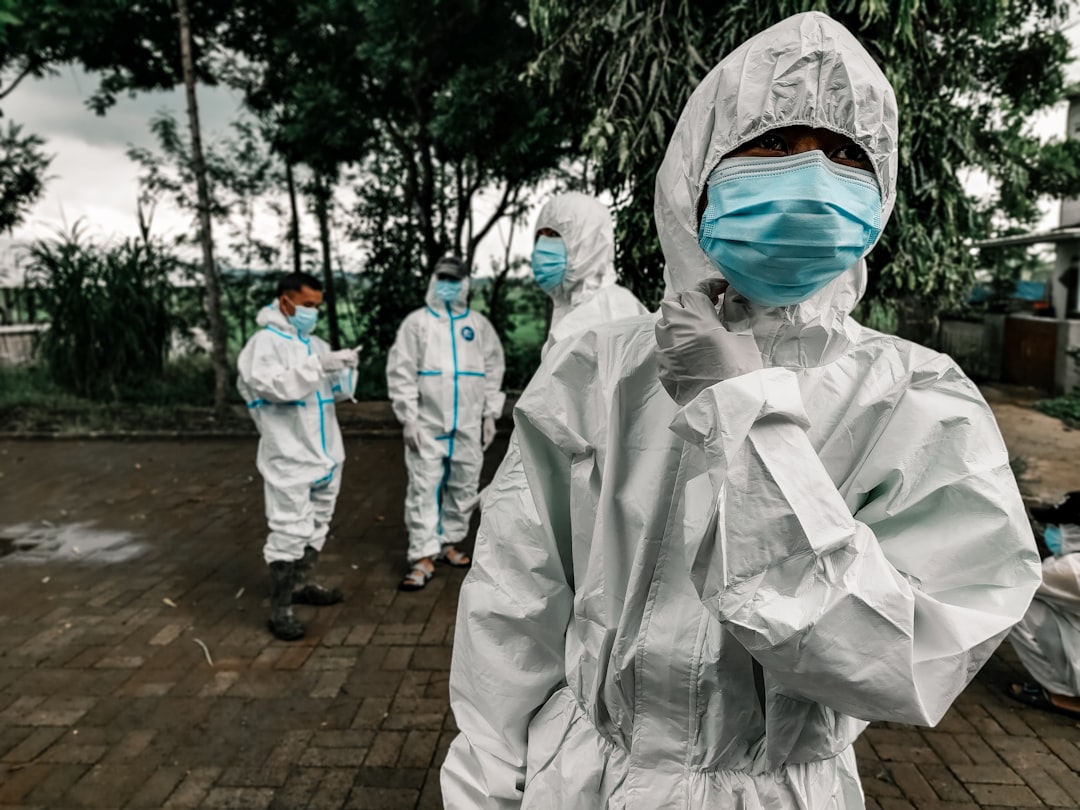
Facing the Reality of Ebola’s Return
Imagine waking up to a world where a deadly virus is surging, with reports of 92 new confirmed cases of Ebola appearing in just a single day. This startling news should evoke concern, not just in the regions directly impacted but globally, as we consider the implications of an outbreak in our interconnected world. Recent headlines highlight the urgent need for heightened vigilance and understanding as we navigate the ongoing challenges posed by this formidable virus.
Worth knowing about while we're on the topic: One A Day Women's Vitamins — View on Amazon.
What is Ebola?
Ebola virus disease (EVD) is caused by the Ebola virus, which has a high mortality rate ranging from 25% to 90%, depending on the outbreak and the virus strain. The symptoms usually appear 2 to 21 days after exposure and can include fever, severe headache, muscle pain, fatigue, diarrhea, vomiting, and in some cases, unexplained bleeding. The terrifying nature of this disease lies not only in its symptoms but also in its rapid transmission, particularly in healthcare settings where protocols may fail.
The Current Situation
As reported, a sudden spike of 92 new confirmed cases demands our attention. This figure emerges from ongoing surveillance and response efforts in affected regions, primarily in West and Central Africa. These numbers reveal not just the prevalence of the virus but also the challenges that health systems face in controlling its spread. It raises critical questions about preparedness and response measures that are currently in place.
Understanding Transmission Dynamics
Ebola spreads through direct contact with bodily fluids of infected individuals, such as blood, saliva, or sweat. The risk escalates in areas with poor healthcare infrastructure, where community members may care for the sick without proper protective equipment. The recent surge in cases can often be traced back to traditional burial practices, where family members wash the bodies of the deceased, inadvertently exposing themselves to viral remnants. This cycle highlights the urgent need for educational outreach and community engagement.
Impact on Communities
The psychological and social ramifications of an Ebola outbreak extend beyond the immediate health concerns. Families are torn apart, communities face stigma, and economies suffer as fear leads to reduced movement and trade. In regions already struggling with poverty and healthcare deficits, these outbreaks can be catastrophic. The emotional toll of losing loved ones combined with the fear of infection can lead to increased mental health issues in affected communities.
Global Health Response
In response to this alarming rise in cases, health organizations including the World Health Organization (WHO) and local governments are stepping up efforts. Strategies include:
- Enhanced surveillance to track the spread of the virus and identify hotspots.
- Rapid response teams are deployed to affected areas to implement control measures and educate communities.
- Increasing the availability of diagnostic testing to confirm cases quickly.
- Boosting healthcare resources, including personal protective equipment (PPE) for frontline workers.
These measures are crucial for managing the outbreak effectively. However, international collaboration remains essential. Global health security depends on shared knowledge and resources, especially in a world where human mobility can facilitate the rapid spread of disease.
Prevention is Key
While the current outbreak is concerning, it also serves as a reminder of the importance of prevention. Communities can take proactive steps to safeguard themselves, including:
- Educating individuals about transmission routes and emphasizing the importance of avoiding contact with bodily fluids.
- Promoting safe burial practices that do not involve touching the deceased.
- Encouraging vaccination campaigns, especially for healthcare workers and frontline responders, as there are effective vaccines against Ebola.
These strategies not only protect specific communities but also create a buffer against potential outbreaks spreading beyond borders.
The Role of Technology and Innovation
Technology plays a pivotal role in managing health crises like the Ebola outbreak. From mobile health applications that facilitate real-time reporting of suspected cases to data analytics that predict outbreak trends, innovations are reshaping the public health landscape. During prior outbreaks, technologies have enabled:
- Faster diagnosis and treatment options through mobile labs.
- Improved tracking of contacts through geographical information systems (GIS).
- Access to timely information that empowers communities to respond effectively.
With the recent surge, it’s clear that investing in such technologies can significantly improve response times and effectiveness.
Health Education and Community Engagement
At the heart of controlling the Ebola outbreak is robust health education. Community leaders and health officials must work together to disseminate accurate information about the virus, its transmission, and preventive measures. This engagement can help mitigate fear and misinformation, which often hinder effective responses.
Workshops, local forums, and multimedia campaigns can serve as platforms to educate the public about the importance of reporting symptoms early and seeking medical care. Creating a culture of openness around illness can foster an environment where individuals feel safe to seek help without the fear of stigma.
 Recommended
One A Day Women's Vitamins
Supports women's health with essential vitamins and minerals.
Editor's PickOne A Day Women's Vitamins — Supports women's health with essential vitamins and minerals.
View on Amazon
What Can You Do?
Your awareness and informed action are pivotal in the fight against Ebola. Here are some ways you can help:
- Stay informed about developments in Ebola outbreaks and share accurate information within your community.
- Support organizations that work on the ground to provide healthcare, education, and resources where they are most needed.
- Advocate for policies that bolster public health infrastructure, particularly in regions vulnerable to outbreaks.
While the recent announcement of 92 new confirmed cases is alarming, it also serves as a crucial reminder of the collective responsibility we hold in managing public health crises. Each of us can contribute in our own way to foster a more informed, resilient community.
Looking Ahead: The Path to Containment
As we assess the implications of this outbreak, it’s essential to remain vigilant and proactive. Public health systems must adapt and evolve based on past experiences, ensuring that they are better prepared for future challenges. This includes:
- Conducting regular drills and training for healthcare workers on Ebola response protocols.
- Strengthening laboratory capacities in endemic areas to facilitate rapid testing.
- Engaging communities in planning and response efforts to ensure that strategies are culturally sensitive and effective.
The fight against Ebola is not just about immediate responses but also about fostering long-term resilience in health systems worldwide.
In conclusion, as we face a new wave of Ebola cases, let us remember that knowledge is our most powerful weapon. The emphasis should be on collaborative efforts, informed communities, and innovative strategies that not only tackle the current surge but also build a more robust framework for future health crises.
Worth a LookOne A Day Women's Vitamins — Supports women's health with essential vitamins and minerals.
View on Amazon
This article is for general informational purposes only and is not medical advice. It is not a substitute for professional medical diagnosis, treatment, or care. Always consult a qualified healthcare provider with any questions about a medical condition or before making changes to your health routine.
As an Amazon Associate I earn from qualifying purchases.
This post may contain affiliate links — if you make a purchase through them, we may earn a small commission at no additional cost to you.