Great Health Great Fitness

Unearthing the Secrets of Rare South American Diseases: A Gateway to Pandemic Preparedness
Explore how rare South American diseases like Chagas and leptospirosis could offer vital clues to preventing future pandemics.
Introduction: What Lies Beneath the Surface?
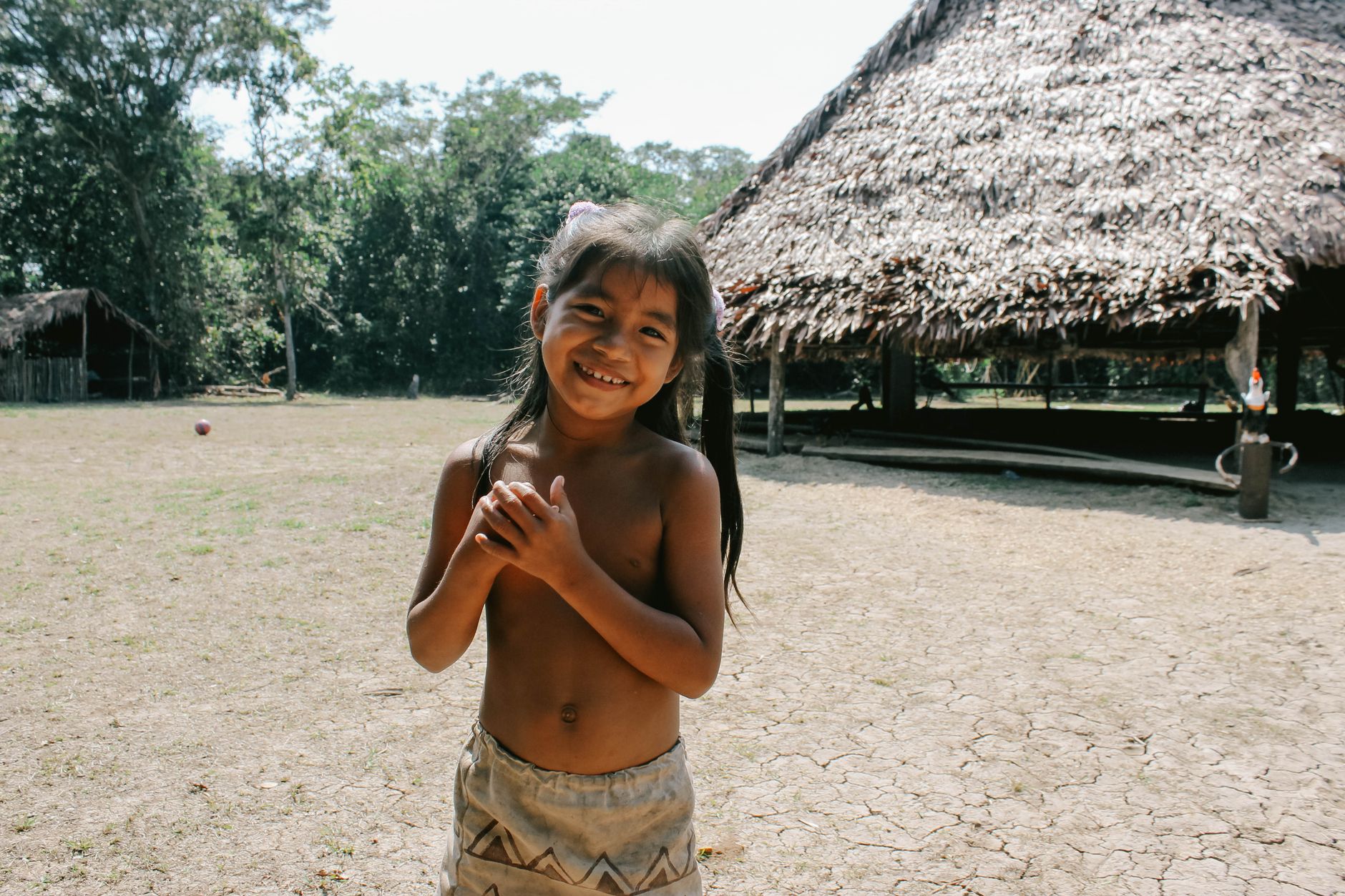
Imagine a remote village nestled deep in the Amazon rainforest, where the air is thick with humidity and the only sounds are the rustling leaves and distant animal calls. Here, a community is grappling with a mysterious illness that seems to defy explanation. This scenario may sound like the plot of a thriller novel, but it reflects the reality of the rare diseases surfacing in South America, which could offer vital clues about the next pandemic. As highlighted in the recent New York Times article, these obscure diseases may not only reveal the secrets of emerging pathogens but also prepare us for the health challenges that lie ahead.
Quick tip: many readers have found One A Day Women's Vitamins genuinely helpful here — View on Amazon.
Understanding Rare South American Diseases
Among the notable diseases gaining attention is Chagas disease, caused by the Trypanosoma cruzi parasite, primarily transmitted through the bite of the triatomine bug. This condition affects millions across Latin America, often remaining asymptomatic for years before leading to severe complications. Notably, Chagas disease isn’t just a local issue; it has been making its way into the United States, primarily through immigration, raising concerns about its potential spread.
Another disease worth noting is Leptospirosis, a bacterial infection that can be contracted through water contaminated with animal urine. It has been reported in various South American countries, particularly after heavy rains or flooding, making it a public health concern during climate change events. These diseases, while rare, may hold keys to understanding how new pathogens emerge, spread, and impact human health.
The Connection to Pandemics
So, how do these rare diseases relate to the concept of a future pandemic? The answer lies in their ability to adapt and evolve. As environmental conditions change—due to factors like deforestation, urbanization, and climate change—pathogens can find new hosts or modes of transmission. For instance, research suggests that climate change dramatically influences disease patterns, increasing the risk of outbreaks as species migrate and ecosystems transform.
 Popular Choice
One A Day Women's Vitamins — Supports women's health with essential vitamins and minerals.
View on Amazon
Chagas disease’s persistence in rural settings has fueled interest in understanding its lifecycle and the ecological factors that contribute to its spread. By studying these diseases, we can identify potential reservoirs for future pandemics, thereby enhancing our surveillance systems and response strategies.
Lessons from Recent Outbreaks
The COVID-19 pandemic has taught us invaluable lessons about the interconnectedness of global health. Just as COVID-19 emerged from a zoonotic source, so too do many other infectious diseases. Leptospirosis, for example, has seen spikes in cases following natural disasters, illustrating how public health systems must adapt to evolving threats. The urgency of monitoring these rare diseases has never been clearer, especially when considering the potential for global transmission.
Moreover, various studies indicate that underreporting of rare diseases can obscure their true impact. Health systems in many countries may not prioritize these conditions, leading to a lack of data crucial for understanding their full scope and impact. Without a robust framework for disease surveillance, we leave ourselves vulnerable to the next outbreak.
Public Health Implications
Public health officials are now placing a stronger emphasis on understanding these rare diseases. Efforts are underway to enhance research funding, improve diagnostic capabilities, and develop more effective treatment protocols. One promising approach involves investing in community health education to raise awareness about prevention and early detection of diseases like Chagas and leptospirosis.
Additionally, integrating these diseases into broader health monitoring systems is vital. For example, leveraging technology and data analytics can help track disease patterns more effectively, providing insights that could prevent an outbreak from escalating into a pandemic.
Global Collaboration: A Necessity
The fight against rare diseases and their potential for causing pandemics is not a solitary endeavor; it requires global collaboration. Countries must work together to share data, expertise, and resources. Organizations like the World Health Organization (WHO) and the Pan American Health Organization (PAHO) have crucial roles in facilitating these partnerships.
RecommendedOne A Day Women's Vitamins
Supports women's health with essential vitamins and minerals.
Moreover, international funding initiatives can support research into these diseases, helping to address gaps in knowledge and technology. A comprehensive approach is necessary to ensure we are equipped to handle future outbreaks effectively. Advocating for global health equity is imperative, as vulnerable populations are often the most affected by these diseases.
What Can You Do?
As an individual, you may wonder how you can contribute to the fight against rare diseases and potential pandemics. Here are some actionable steps you can take:
- Stay Informed: Keep up to date with developments in infectious disease research through reputable sources, including health organizations and scientific journals.
- Support Local Initiatives: Engage with or donate to local health initiatives aimed at disease prevention and education.
- Advocate for Public Health: Encourage your community and local government to invest in health infrastructure and disease monitoring systems.
Looking Ahead: Preventing Future Pandemics
As we reflect on the lessons learned from past outbreaks, it becomes increasingly clear that understanding rare diseases like Chagas and leptospirosis can play a pivotal role in preventing future pandemics. By prioritizing research, enhancing surveillance capabilities, and fostering international cooperation, we can create a robust defense against emerging infectious threats.
In conclusion, the emergence of rare South American diseases is a clarion call for action. As we stand on the brink of a new era in public health, it is essential to recognize that the next pandemic could originate from the most unexpected places. By turning our gaze towards these rare diseases and understanding their implications, we take a critical step toward safeguarding global health for generations to come.
Worth a LookOne A Day Women's Vitamins — Supports women's health with essential vitamins and minerals.
View on Amazon
This article is for general informational purposes only and is not medical advice. It is not a substitute for professional medical diagnosis, treatment, or care. Always consult a qualified healthcare provider with any questions about a medical condition or before making changes to your health routine.
As an Amazon Associate I earn from qualifying purchases.
This post may contain affiliate links — if you make a purchase through them, we may earn a small commission at no additional cost to you.