Great Health Great Fitness

Understanding the Cyclospora Outbreak Linked to Iceberg Lettuce: What You Need to Know
Learn about the recent Cyclospora outbreak linked to iceberg lettuce and how to protect yourself from cyclosporiasis.
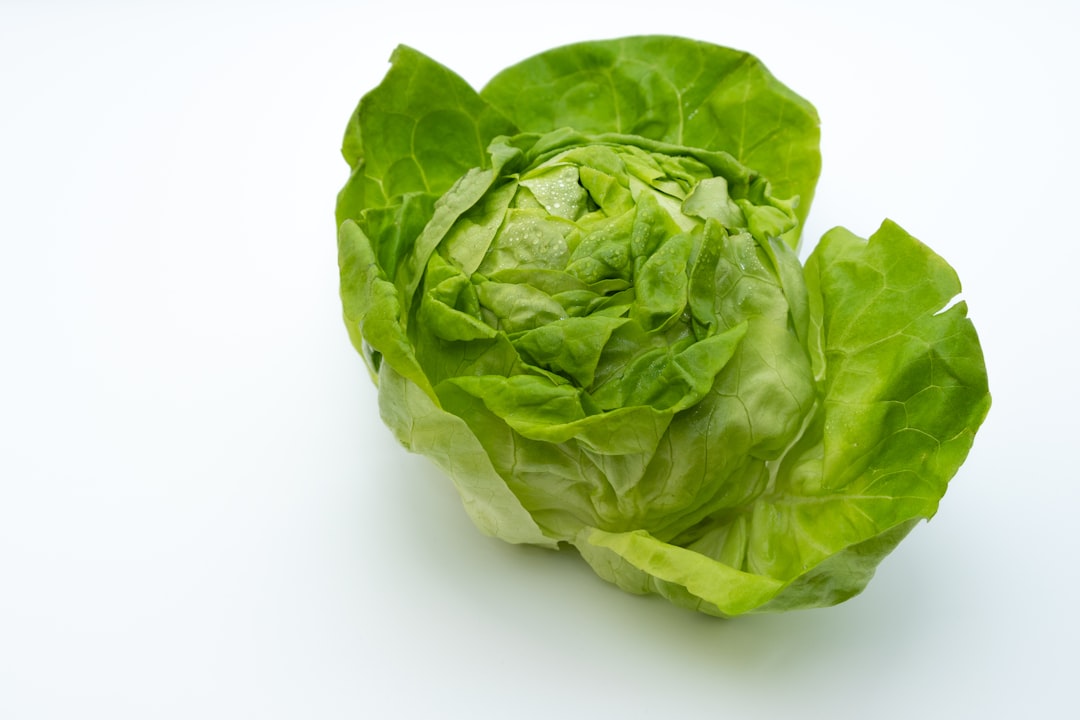
What Is Cyclosporiasis?
Imagine biting into a crisp salad on a warm summer day, only to find out that your fresh iceberg lettuce is the source of an illness that can leave you feeling miserable. This is a reality faced by many during the recent Cyclospora outbreak linked to iceberg lettuce. Cyclosporiasis is caused by a microscopic parasite called Cyclospora cayetanensis, which can lead to a range of digestive issues.
Before diving in — if you're looking for practical support, Balance of Nature Supplement is worth a look — Check Price on Amazon.
Symptoms typically manifest about a week after exposure and can include severe diarrhea, nausea, and abdominal cramps. While many people recover without treatment, some may experience prolonged illness that can last weeks. Understanding the seriousness of this parasite, especially amid a recognized outbreak, is crucial for safeguarding your health.
How Does Cyclospora Spread?
Cyclospora is primarily spread through the consumption of contaminated food or water. Unlike some other foodborne illnesses, it is not directly transmitted from person to person. The parasite thrives in warm, humid environments, making summer months particularly favorable for its spread. This is why outbreaks involving fresh produce, like lettuce and berries, are common during this season.
 Recommended
One A Day Women's Vitamins — Supports women's health with essential vitamins and minerals.
View on Amazon
Details of the Outbreak
As the Centers for Disease Control and Prevention (CDC) reported, this recent outbreak has been linked specifically to iceberg lettuce. Initial investigations suggest that contaminated fields likely contributed to the spread. Because the parasite is difficult to detect, it can go unnoticed during the harvesting and distribution processes, making preventative measures challenging.
What Are the Symptoms?
Symptoms of cyclosporiasis can vary but often include:
- Severe, watery diarrhea
- Nausea
- Abdominal cramps
- Fatigue
- Weight loss
While most healthy individuals will recover, those with weakened immune systems, including the elderly or people with chronic illnesses, may face more severe consequences.
What You Can Do to Protect Yourself
As the outbreak unfolds, it’s important to remain vigilant:
- Wash all fruits and vegetables thoroughly before consumption, even if you plan to peel them.
- Stay informed about current food recalls and outbreaks through the CDC and local health departments.
- Avoid eating iceberg lettuce or mixed salads that might contain it until health officials confirm safety.
- If experiencing symptoms, consult a healthcare provider, especially if symptoms are severe or persist for more than a few days.
What to Expect If You Are Infected
If you contract cyclosporiasis, your healthcare provider may recommend specific treatments to address the symptoms, particularly if you suffer from severe diarrhea and dehydration. Treatment for cyclosporiasis often includes antibiotics, which can help speed recovery.
 Worth a Look
Balance of Nature Supplement
Supports daily nutrition with whole fruit and vegetable ingredients.
During recovery, rest and hydration are essential. Drinking plenty of fluids will help replenish what your body loses through diarrhea. Over-the-counter medications may alleviate symptoms, but be careful—consult a healthcare provider before taking them, as they might not be suitable for everyone.
The Importance of Surveillance and Reporting
Public health agencies like the CDC play a critical role in tracking outbreaks and disseminating information. Their ongoing surveillance helps catch outbreaks early and alert the public. However, individual reports of illness are equally important. If you suspect that you’ve contracted cyclosporiasis, reporting your illness can help authorities trace the source of the outbreak and prevent further spread.
What Are the Risks?
While the risks associated with cyclosporiasis may seem minimal compared to more notorious pathogens, they can still be significant, particularly for vulnerable populations. Be aware that the elderly, immunocompromised individuals, and those with chronic health conditions are at higher risk for severe illness. The current outbreak serves as a reminder of the importance of food safety practices.
Looking Ahead: Preventing Future Outbreaks
As we navigate this outbreak, it’s essential to remember the broader implications of food safety. Agricultural practices, from farm to table, must be scrutinized and improved to prevent future occurrences. The need for clean water, proper sanitation, and rigorous food safety regulations cannot be overstated.
Consumers also have a role in this equation. By staying informed and demanding better food safety practices from producers, we can collectively work towards reducing the incidence of foodborne illnesses like cyclosporiasis.
Final Thoughts
The recent outbreak of cyclosporiasis linked to iceberg lettuce serves as a stark reminder of the hidden dangers that can lurk in our food supply. Although it’s easy to get caught up in the allure of fresh, healthy produce, being aware of potential risks is crucial. Take the necessary precautions, stay informed, and don’t hesitate to reach out to healthcare professionals if you suspect you’ve been affected. Your health is worth the extra vigilance.
RecommendedOne A Day Women's Vitamins — Supports women's health with essential vitamins and minerals.
View on Amazon
This article is for general informational purposes only and is not medical advice. It is not a substitute for professional medical diagnosis, treatment, or care. Always consult a qualified healthcare provider with any questions about a medical condition or before making changes to your health routine.
As an Amazon Associate I earn from qualifying purchases.
This post may contain affiliate links — if you make a purchase through them, we may earn a small commission at no additional cost to you.