Great Health Great Fitness

The Fiber Factor: Lower Cholesterol and Boost Heart Health with a High-Fiber Diet
Discover how a high-fiber diet can lower cholesterol and boost heart health with practical tips and real-life success stories.

Picture This: Your Heart’s Lifeline
Imagine you’re sitting in your favorite café, sipping on a warm cup of tea. You glance around and notice that many people seem engrossed in their smartphones, perhaps tracking their health stats. It’s a reminder that so many of us are on a quest for better health. But how often do we consider one of the simplest and most effective tools at our disposal? Yes, I’m talking about fiber!
Worth knowing about while we're on the topic: GLP-1 Probiotic Supplement — See Latest Price.
Why Fiber Matters
Fiber is often overlooked in the conversation about health, yet it is a crucial player in supporting heart health and lowering cholesterol. Unlike other nutrients, fiber isn’t digested by our bodies. Instead, it plays a crucial role in regulating our digestive system, lowering cholesterol levels, and maintaining a steady blood sugar level.
Did you know that studies have shown that a high-fiber diet can lower your risk of heart disease significantly? In fact, for every additional 7 grams of fiber consumed daily, your risk of developing cardiovascular disease can drop by up to 9%. That’s a significant number!
Understanding the Types of Fiber
Before diving into how fiber can help you, let’s break it down into two main types: soluble and insoluble fiber.
- Soluble Fiber: This type dissolves in water and can help lower blood cholesterol and glucose levels. Foods rich in soluble fiber include oats, beans, lentils, apples, and citrus fruits.
- Insoluble Fiber: This type does not dissolve in water but adds bulk to the stool, aiding in regular bowel movements. You can find insoluble fiber in whole grains, nuts, and vegetables like carrots and celery.
Both types are important, but if you’re looking to specifically lower cholesterol levels, focusing on soluble fiber sources is key.
 Popular Choice
Balance of Nature Supplement — Supports daily nutrition with whole fruit and vegetable ingredients.
Check Price on Amazon
How Fiber Lowers Cholesterol
Let’s delve deeper into the magic of soluble fiber and its relationship with cholesterol. When you consume soluble fiber, it forms a gel-like substance in your intestines. This gel binds to bile acids, which are made from cholesterol, and helps your body eliminate them. As your body uses cholesterol to replenish bile acid levels, this can lead to decreased cholesterol levels.
For instance, a breakfast of oatmeal topped with sliced bananas and a sprinkle of chia seeds isn’t just delicious; it’s a heart-healthy choice packed with soluble fiber that helps keep your cholesterol in check. Just imagine enjoying that breakfast every morning, knowing you’re making a positive impact on your heart health!
Practical Ways to Incorporate Fiber
If you’re feeling motivated to up your fiber intake, here are some practical tips to seamlessly weave fiber-rich foods into your daily meals:
- Start Your Day Right: Enjoy a bowl of oatmeal or a smoothie with berries and spinach. Both options pack a fiber punch!
- Snack Smart: Instead of reaching for chips, opt for raw veggies with hummus or a handful of nuts.
- Choose Whole Grains: Switch to whole grain bread, pasta, and rice. They contain more fiber than their white counterparts.
- Get Creative with Legumes: Incorporate beans and lentils into soups, salads, and even casseroles. They’re not just for chili!
Keep in mind that introducing fiber into your diet should be a gradual process to avoid digestive discomfort. Aim for at least 25 to 30 grams of fiber daily, and increase your intake slowly.
Real-Life Success Stories
Consider the story of Lisa, a busy mom and full-time employee who struggled with high cholesterol. After her doctor advised her to make dietary changes, she decided to focus on increasing her fiber intake. She began her mornings with oatmeal, packed her lunches with bean salads, and opted for whole grain options at dinner. Within six months, her cholesterol levels had dropped significantly! Her doctor was impressed, and Lisa felt more energetic and healthy than ever.
This is just one example of how simple dietary changes can lead to remarkable health improvements. You could be next!
Beyond Cholesterol: Additional Heart Health Benefits
While lowering cholesterol is a major benefit of a high-fiber diet, it’s not the only one. Here are some additional perks:
- Weight Management: Foods high in fiber tend to be more filling, which can help curb overeating.
- Blood Sugar Control: Fiber can help slow the absorption of sugar, reducing spikes in blood sugar levels.
- Gut Health: A high-fiber diet supports a healthy digestive system and can prevent constipation.
Each of these benefits contributes to overall heart health, making it clear that adding fiber to your meals is a no-brainer.
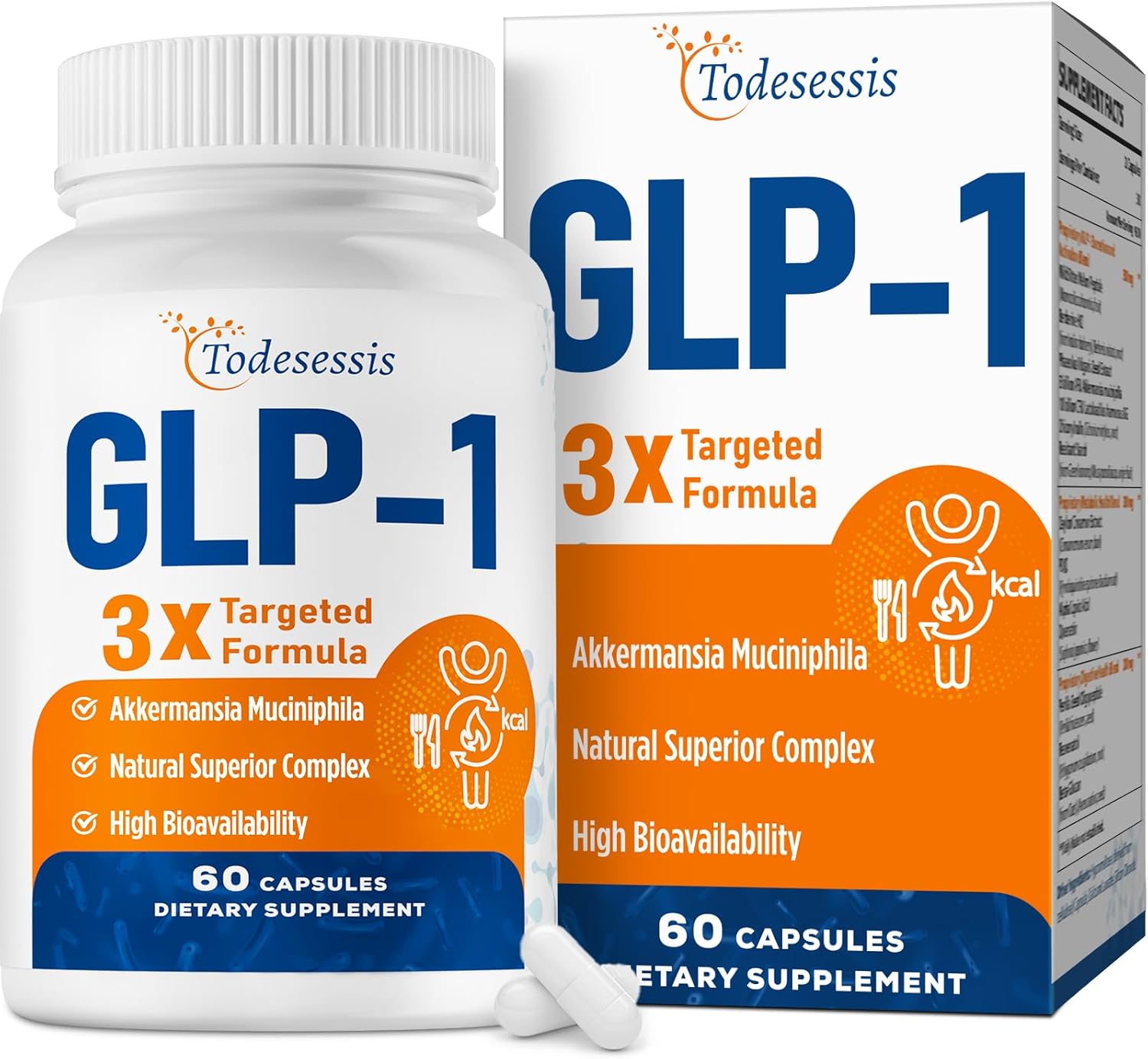 Popular Choice
GLP-1 Probiotic Supplement
Supports metabolism and gut health with a unique probiotic blend.
Be Mindful of Fiber Intake
As with anything, moderation is essential. While fiber has fantastic health benefits, too much too quickly can lead to discomfort, bloating, and gas. Aim to increase your fiber intake gradually and ensure you’re drinking plenty of water to aid digestion.
Also, some high-fiber foods can be high in calories or added sugars, so always read labels carefully. For instance, while granola can be fiber-rich, some brands pack a hidden calorie punch. Choose wisely!
The Final Word on Fiber and Heart Health
Embracing a high-fiber diet is one of the simplest, yet most profound changes you can make for your heart health. By incorporating a variety of fiber-rich foods into your daily routine, you can lower cholesterol levels, manage weight, and enhance your overall well-being.
If you’re looking to start this journey, begin with small changes. Add a serving of fruit to your breakfast, switch to whole-grain bread, or experiment with legumes in your meals. You’ll be amazed at the difference these adjustments can make over time.
Remember, your heart health is in your hands, and fiber is a powerful ally. So, are you ready to take the plunge into a fiber-full life?
RecommendedBalance of Nature Supplement — Supports daily nutrition with whole fruit and vegetable ingredients.
Check Price on Amazon
This article is for general informational purposes only and is not medical advice. It is not a substitute for professional medical diagnosis, treatment, or care. Always consult a qualified healthcare provider with any questions about a medical condition or before making changes to your health routine.
As an Amazon Associate I earn from qualifying purchases.
This post may contain affiliate links — if you make a purchase through them, we may earn a small commission at no additional cost to you.