Great Health Great Fitness

A Little More Movement Could Add Years to Your Life — Even If You Start Late, Study Finds
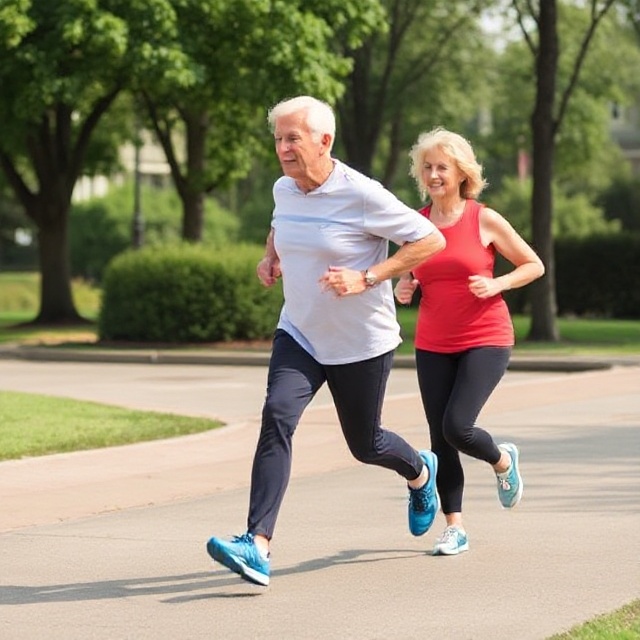
August 27, 2025 — It turns out that one of the simplest prescriptions for living longer doesn’t come from a pill bottle or a surgical procedure—it comes from moving your body. A new study published in the British Journal of Sports Medicine reveals that even modest increases in physical activity, begun later in life, can significantly extend lifespan and reduce the risk of chronic disease.
🔎 The Study at a Glance
Researchers analyzed long-term health data from more than 150,000 adults across multiple countries, tracking their physical activity levels, lifestyle habits, and mortality outcomes over a period of nearly two decades.
The findings were striking:
- Adults who added as little as 15–20 minutes of daily movement—even starting in midlife—saw up to a 20% lower risk of premature death.
- Those who achieved the recommended 150 minutes of moderate exercise per week lowered their risk of cardiovascular disease, diabetes, and certain cancers by as much as 30–40%.
- Crucially, participants who had been sedentary for years but adopted regular activity later in life still reaped almost the same benefits as lifelong exercisers.
Lead author Dr. Emily Carter, a senior researcher in epidemiology, emphasized:
“The message is clear—it’s never too late to start moving. Even small, consistent changes in physical activity can make a profound difference to health and longevity.”
💡 Why This Matters
Modern life often encourages long hours of sitting—at desks, in cars, or in front of screens. The World Health Organization has repeatedly warned that physical inactivity is a leading risk factor for global mortality, linked to nearly 5 million deaths each year.
The new study reinforces what many health experts have long argued: you don’t need to become a marathon runner or gym fanatic to gain health benefits. Instead, incremental increases in daily movement—walking, light jogging, cycling, or even gardening—are enough to extend life expectancy.
🏃♀️ What Counts as “Movement”?
The researchers highlighted that physical activity doesn’t have to mean formal exercise sessions at the gym. Everyday actions matter too:
- Walking briskly to the market or bus stop
- Taking the stairs instead of the elevator
- Doing household chores with energy
- Cycling to work or running errands on foot
- Light strength training, yoga, or stretching
“Think of activity as movement, not just exercise,” said Dr. Carter. “Every step counts.”
🧓 The Late-Starter Advantage
One of the most encouraging aspects of the study was the impact on older adults. Participants who became active after the age of 50 experienced similar reductions in mortality risk compared to those active from their 20s.
For aging populations worldwide, this is welcome news. Physical activity not only extends lifespan but also improves quality of life by reducing frailty, preserving independence, boosting mood, and protecting cognitive health.
⚠️ The Flip Side: Risks of Inactivity
The study also confirmed the dangers of prolonged sedentarism. Adults who remained inactive had a 50% higher risk of early death compared to those who regularly moved. They were also far more likely to suffer from obesity, heart disease, type 2 diabetes, and osteoporosis.
🌍 Public Health Implications
Health experts believe these findings could reshape community programs, workplace wellness policies, and healthcare advice. Governments and organizations are increasingly being urged to design environments that encourage natural movement—such as walkable cities, accessible parks, and safe cycling lanes.
✅ Takeaway for You
If you’ve been inactive for years, the research sends an uplifting message: your future health is still in your hands. Start small, build consistency, and gradually increase your activity.
Practical tips to begin:
- Replace 10 minutes of sitting each hour with light walking.
- Add evening walks after dinner to help digestion and regulate blood sugar.
- Use a pedometer or smartwatch to set achievable step goals (like 7,000–8,000 per day).
- Mix cardio with light resistance exercises for balanced strength.
✨ Bottom Line:
Whether you’re 25 or 65, your body and brain will thank you for moving more. This study is a powerful reminder that longevity doesn’t depend on perfection—it depends on persistence. A little more movement, even started late in life, could add years of vitality and health.