Great Health Great Fitness

Get Grounded: Quadrobics, the New All-Fours Fitness Craze That’s Core-Strengthening and Streamlined
Last updated:
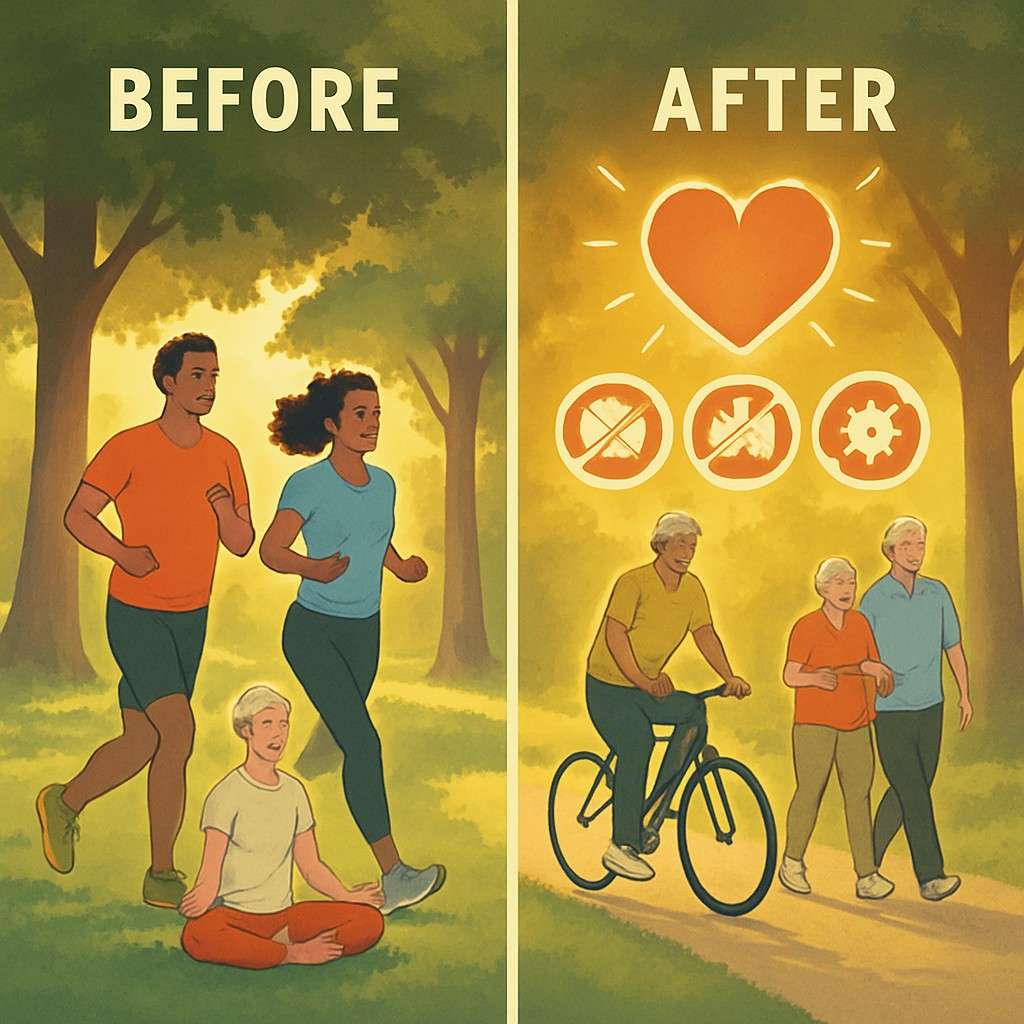
In a groundbreaking revelation, scientists have reaffirmed the extraordinary power of regular physical exercise in prolonging life expectancy and preventing chronic illnesses. According to a recent global study conducted by health researchers across the United States, Europe, and Asia, just 20 to 30 minutes of moderate exercise per day can significantly lower the risks of heart disease, diabetes, obesity, cancer, and even premature death.
The study, which analyzed data from more than 2 million people worldwide, highlights that consistent physical activity is one of the most powerful non-medical interventions for a longer, healthier life. Researchers compared active individuals with those leading sedentary lifestyles and discovered that people who exercised daily were up to 40% less likely to die prematurely.
Exercise as Preventive Medicine
Experts emphasize that exercise should not be seen as optional but as an essential form of preventive medicine. Activities like brisk walking, cycling, swimming, yoga, or even household chores contribute to the body’s metabolic health, regulate blood sugar, and strengthen the immune system.
“Movement is medicine. A daily routine that involves physical activity is as crucial as eating healthy food or getting enough sleep,” said Dr. Amelia Carter, a cardiologist at the Global Health Research Institute.
Beyond Physical Benefits
The findings also shed light on the mental health benefits of exercise. Regular workouts reduce stress, combat anxiety, and improve mood by stimulating endorphins, also known as the “happy hormones.” Researchers found that individuals who exercised consistently reported 30% fewer symptoms of depression and anxiety compared to those who didn’t.
Small Steps, Big Impact
One of the most encouraging aspects of the research is that even small, consistent efforts lead to remarkable health improvements. Just a 10-minute brisk walk daily can improve circulation, enhance lung capacity, and gradually lower blood pressure. Experts recommend at least 150 minutes of moderate-intensity activity per week for adults.
The Global Challenge
Despite these benefits, the World Health Organization warns that over 25% of adults worldwide remain physically inactive, contributing to rising obesity and lifestyle-related diseases. Sedentary habits, long working hours, and increased screen time are the primary culprits.
To counter this, health bodies worldwide are urging governments and organizations to promote workplace fitness programs, public parks, and awareness campaigns that encourage people to make exercise a natural part of daily life.
Conclusion
The verdict is clear: exercise is not just about building muscles or burning calories—it is about building a healthier, longer, and more fulfilling life. As researchers put it, “If exercise could be packaged in a pill, it would be the most prescribed medicine in the world.”
Medical disclaimer: This content is for information only and is not medical advice. Talk to a qualified healthcare professional before changing your diet, exercise or medication.