Great Health Great Fitness

WHO and WMO Warn of Rising Heat Stress: New Global Guidelines Aim to Protect Workers in a Warming World
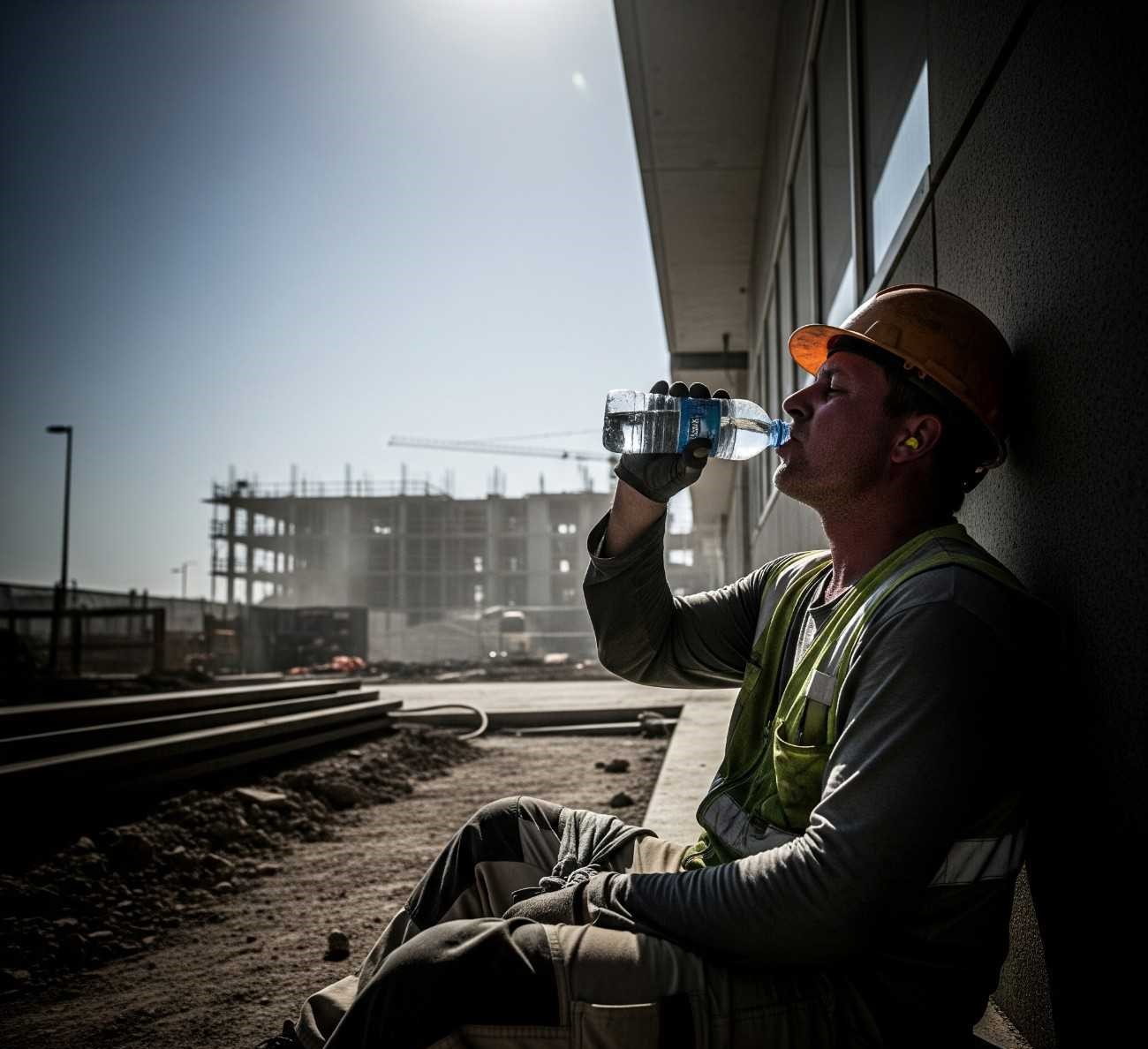
Geneva, August 26, 2025 — The World Health Organization (WHO) and the World Meteorological Organization (WMO) have sounded an urgent alarm over the mounting dangers of extreme heat, unveiling a set of global guidelines designed to protect workers as climate change drives temperatures to record levels worldwide.
The new report, released jointly this week, comes amid searing heatwaves across Asia, Europe, and the Americas, with cities such as Delhi, Madrid, and Phoenix reporting dangerous conditions that are increasingly testing the limits of human survival.
Heat Stress: A Growing Global Health Crisis
Heat stress occurs when the body cannot cool itself effectively, leading to rising core temperatures and severe health complications. Symptoms range from heat cramps and exhaustion to heat stroke and cardiovascular collapse. For workers exposed to long hours in the sun or in poorly ventilated indoor environments, the consequences can be fatal.
WHO data suggests that more than 489,000 deaths each year are now attributable to heat-related illness. The problem is expected to worsen as climate change accelerates. Scientists warn that by 2050, extreme heat days could double in frequency, creating a public health emergency unlike any seen before.
Dr. Maria Neira, WHO’s Director of Public Health, said in a press briefing:
“The climate crisis is no longer a distant threat — it is a present reality. Heat stress is silently killing thousands of people every year, and workers on the frontline are the most exposed. This is a crisis we can and must prevent.”
Key Recommendations in the New Guidelines
The WHO–WMO report lays out a comprehensive action plan for governments, employers, and communities:
- Early Warning Systems: Expansion of heat-health forecasting tools to give vulnerable populations and industries time to prepare.
- Workplace Adjustments: Shifting working hours to cooler times of the day, mandating rest breaks, and providing shaded or cooled areas.
- Hydration and Nutrition Programs: Ensuring universal access to safe drinking water and encouraging electrolyte-rich diets to combat dehydration.
- Protective Gear and Uniforms: Promotion of lightweight, heat-resistant clothing to reduce the risk of overheating.
- Healthcare Monitoring: Training supervisors to recognize early symptoms of heat-related illness and provide immediate intervention.
The report also emphasizes the economic consequences of inaction. A study cited in the guidelines estimates that global productivity losses due to heat stress could surpass $4.3 trillion annually by 2030, particularly in labor-intensive industries such as farming, construction, and logistics.
Countries Taking the Lead
Some countries are already moving forward with protective measures.
- India has rolled out state-wide Heat Action Plans, issuing advisories, adjusting school and work timings, and setting up cooling shelters in urban centers.
- Spain and Italy have piloted programs to reduce outdoor work during peak afternoon heat, offering workers extended morning and evening shifts instead.
- Qatar and the UAE have enforced summer mid-day bans on construction and outdoor labor, setting an example for other Gulf nations.
- The United States has seen unions in states like California and Nevada successfully campaign for stricter workplace protections, including guaranteed water breaks and shaded areas.
However, experts warn that many low- and middle-income countries remain underprepared, lacking both infrastructure and enforcement mechanisms to implement such safeguards.
Call for Global Solidarity
Dr. Petteri Taalas, Secretary-General of WMO, underscored the urgency of international cooperation:
“We cannot stop the Earth from warming overnight, but we can stop heat from killing people. Science gives us the knowledge, and policies give us the power. What’s missing is decisive global action.”
The report calls for countries to integrate heat-stress prevention into national occupational health and safety laws, backed by enforcement, funding, and international support. It also stresses the need for public education campaigns to encourage citizens to recognize symptoms and take protective steps, particularly for the elderly, pregnant women, and people with pre-existing health conditions.
Looking Ahead
As the planet continues to break temperature records, health experts warn that adaptation is no longer optional. Without immediate interventions, millions of workers in agriculture, mining, manufacturing, and delivery services could face life-threatening risks every summer.
The WHO–WMO guidelines represent what many are calling a turning point in global health policy, shifting the conversation from infrastructure and climate resilience toward direct protection of human lives.
Governments are now under pressure to act swiftly, balancing economic productivity with human safety. For the world’s most vulnerable workers, these guidelines could be the difference between life and death.
👉 As climate change intensifies, the message from health authorities is clear: protecting workers from heat stress is no longer just a labor issue — it is a fundamental human right.